
Seelush Chhetri- Blog Abroad
Blog #1

Blog #2
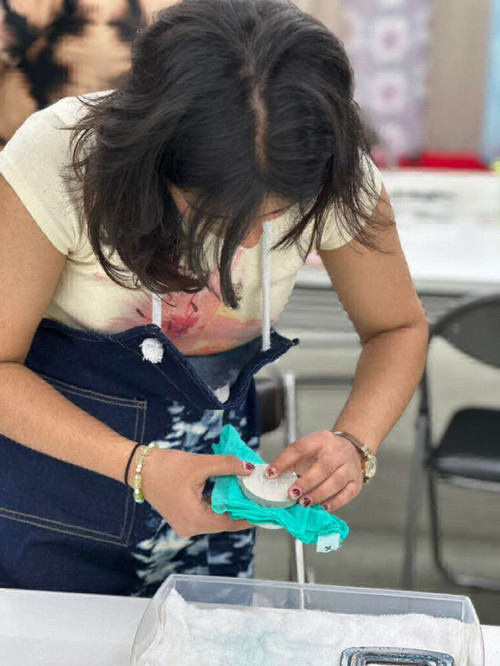
20,000 average steps. Subways, trains, and buses. Shrines and temples. Good food. Good sleep. The museum director completely made the experience unforgettable. Even though he did not speak English and his words had to be translated, his excitement reached all of us so easily. Every time someone picked a color, he would enthusiastically sing things like “Blue, blue, blue!” or “Gray, gray, gray!” with the biggest smile on his face. The entire room felt warm, energetic, and joyful. By the end of the workshop, we all left not only with handmade scarves, but also with a deeper appreciation for how detailed and beautiful shibori art truly is. It reminded me how alive Kyoto’s art scene feels everywhere you go. We also attended a workshop with Prof. Yuki Tawada at Kyoto University of the Arts, where we met graduate students and got to learn about their work and experiences. Yuki, Professor Jacobs, and Professor Ketcham all presented their artistic works, which honestly left all of us in awe. Seeing our professors in an artistic setting instead of only as teachers was incredibly cool. We are so used to seeing the academic side of them that witnessing their creativity and passion through their art felt inspiring in a completely different way. The graduate students were also incredibly welcoming. Some of us even went to dinner with them afterward, where they recommended places to visit, foods to try, and shared stories about Kyoto. Moments like that make this experience feel so much more meaningful because it goes beyond academics and turns into genuine connection. Honestly, one of my favorite parts of this trip so far has been the people around me. Prof. Jacobs, Prof. Ketcham, Rosie, Andy, Kaia, Sol, Alma, Angel, Ari, Caitlyn, Gianna, James, Maria, Mathew, Oli, Rainy, and I have all been getting closer every single day. Between exchanging vocabulary and slang, making inside jokes, getting lost together, surviving long walks, and laughing through complete exhaustion, even the most chaotic days somehow become memorable. There is never really a dull moment with this group. Even when we are tired out of our minds, someone is always laughing, taking pictures, finding a random place to explore, or saying something that sends everyone into chaos. Settling in definitely took some work. Between changing sleep schedules, constant walking, presentations, workshops, and random side quests throughout the city, everything felt overwhelming at first. But looking back now, these first few days have already become some of the most beautiful memories I have made. Kyoto feels calm, rainy, humid, artistic, overwhelming, peaceful, and alive all at once. And experiencing it alongside such an amazing group of people has made settling in feel less like adjusting to somewhere new and more like slowly finding a second home. Talk soon, Seelush :)
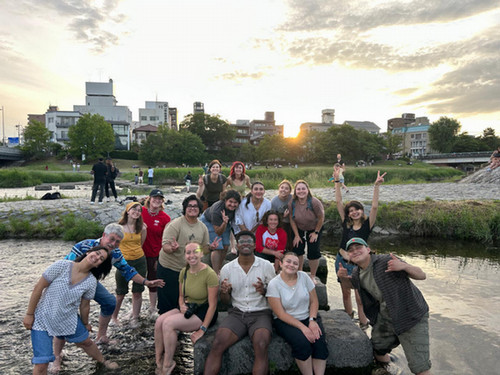
The first few days in Kyoto took all of us a little while to settle into. Part of it was definitely the jet lag, but another part was the nonstop schedule that somehow had us exploring beautiful shrines, museums, workshops, and hidden streets while also walking around 20,000 steps a day. By the end of each night, all of us would absolutely crash - only to wake up the next morning ready to do it all over again.
What amazed me most was how everyone kept pushing through even when we were exhausted. Kyoto has this peaceful energy that makes you want to keep exploring, no matter how tired you are. The city feels calm, clean, and intentional in a way that is honestly hard to explain until you experience it yourself.
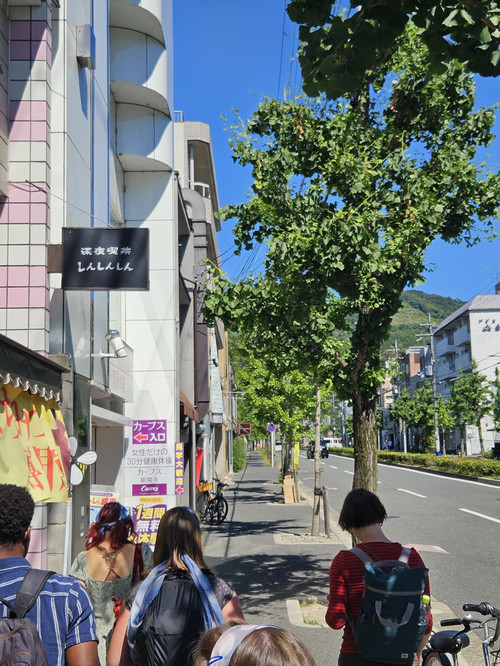
One of the first things that stood out to me was how efficient everything is here. People move with purpose, especially in train stations where hundreds of people somehow flow together perfectly without chaos. Even crowded trains stay surprisingly quiet. Compared to the United States, where public spaces are usually loud and energetic, Kyoto feels softer somehow. The city has its own rhythm - fast-paced yet peaceful.
And then there are the konbini.
At around 2 in the morning one night, a bunch of us wandered into a 7-Eleven, completely amazed that it was still open, stocked, and somehow still felt calm. Calling it a “convenience store” honestly feels like an understatement because these places have EVERYTHING. Snacks, full meals, drinks, toiletries, electronics, printing services, chargers, desserts, random necessities you forgot to pack - literally anything you could need at any hour of the day.
At this point, konbinis have become part of our daily routine. Late-night snacks? Konbini. Quick breakfast before class? Konbini. Forgot something important? Konbini. Need emotional support after walking 20,000 steps? Also konbini.
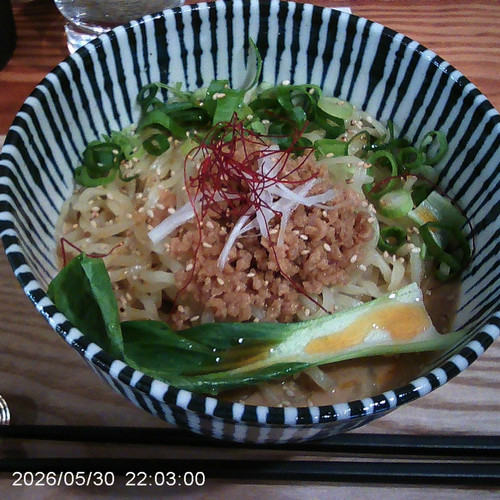
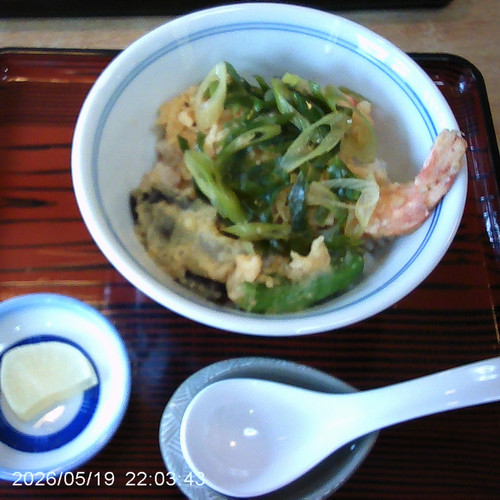
The food here has been incredible, too. Whether it is simple 7-Eleven meals, warm bowls of soba after long days of walking, or tiny restaurants we accidentally discover while wandering through Kyoto, everything feels comforting in its own way. We even found places that reminded us of New Mexico and UNM, which weirdly made us feel a little closer to home while being halfway across the world.
At the same time, one of my favorite moments has been visiting Nepali restaurants here in Kyoto. Since I am an international student from Nepal, getting to share food from home with my friends while being so far away from home itself has felt really emotional in the best way. Watching everyone genuinely enjoy the food and ask questions about it made me so happy. Food really does connect people no matter where you are.
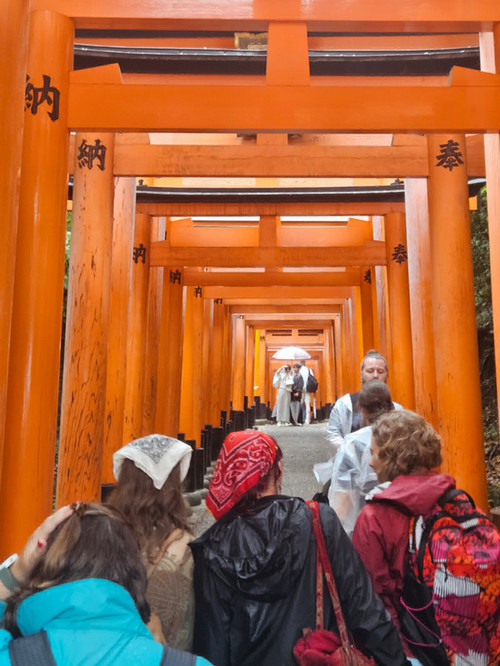
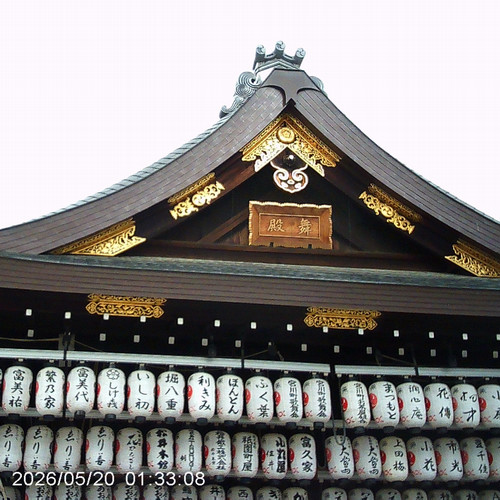
Kyoto itself feels like a blend of nature, history, and art all existing together. Everywhere we go, there are shrines surrounded by greenery, old streets lined with traditional buildings, rivers flowing through the city, and architecture that feels timeless. Visiting places like Fushimi Inari Taisha and Yasaka Shrine almost felt surreal in person. The bright vermillion gates, lanterns, quiet pathways, and massive trees create an atmosphere that pictures honestly cannot fully capture.
It also rains here. A LOT.
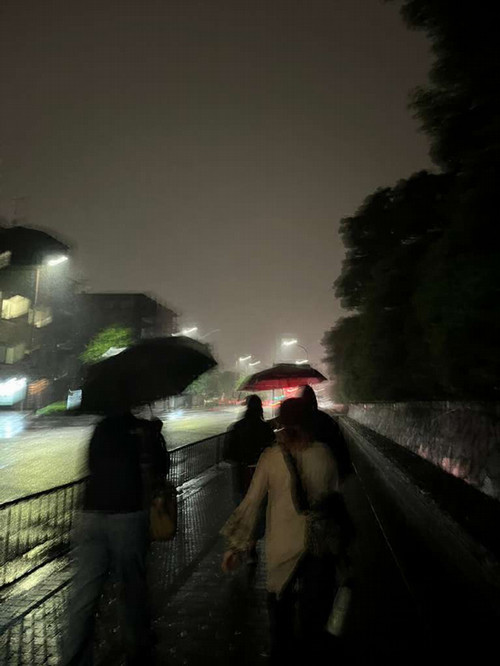
Umbrellas have basically become part of our outfits at this point. Somehow, Kyoto still manages to look beautiful in the rain, though. The humid air, wet stone pathways, cloudy skies, and soft sounds of rain hitting umbrellas somehow make the city feel even more peaceful. There is something calming about walking through narrow streets or shrines while hearing nothing except footsteps and rain.
One of the highlights of the first week for me was visiting the Kyoto Shibori Museum. We participated in a workshop where we each made our own scarves using traditional shibori techniques.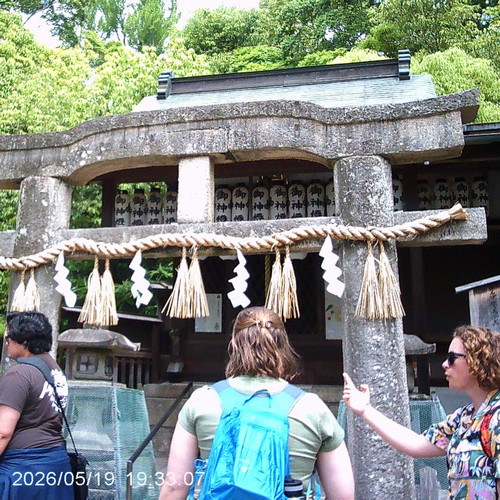

Blog #3
20,000 steps. Better idea of public transport. Fitting in. Finding spots. Clicking in. Visiting Todaiji and Kasuga Taisha gave us the chance to experience sites that play a major role in Japan's religious and cultural history. By this point in the trip, I noticed myself paying closer attention to smaller details: lanterns lining pathways, colors used at shrines, the sounds of prayer rituals, and the way nature was incorporated into sacred spaces. As the week went on, research for our final projects became a bigger part of each day. Between site visits, group discussions, and afternoon work sessions, ideas slowly started coming together. What began as simply observing temples, shrines, neighborhoods, and artworks turned into asking bigger questions about culture, symbolism, and how traditions continue to shape everyday life. Doing this also brought the group closer and closer day by day. We weren't only doing group assignments but were bonding a lot, outside of class- through food, shared experiences, funny inside jokes and lines, talking about our projects, doing side quests, and just laughing. This group is truly special and I appreciate them today, and forever! By the end of the week, Kyoto didn't feel quite as unfamiliar anymore. I knew which train to take without checking my phone every five minutes. I had favorite convenience store snacks, favorite neighborhoods, and even a rough sense of direction. The city hadn't slowed down, but I think I had finally learned how to move with it, and that made all the difference.
The second week felt slightly easier, not because we were walking any less or had fewer things to do, but because we got used to the pace of our class and used to the pace of Kyoto.
Even though Kyoto feels calm and slow, people are moving fast—on and off train stations, on bikes, in shrines, in malls, everywhere. Our group visited more shrines and temples such as Todaiji, Rokuharamitsuji, places like Arashiyama, and TeamLab.
One of the most memorable experiences was TeamLab. Walking through rooms filled with projected flowers, moving lights, mirrors, and sounds felt completely different from the temples we had been visiting all week. The exhibit blurred the line between technology and nature. It made me think about how both spaces, despite looking so different, were trying to create moments of reflection and awareness. One through centuries of tradition, the other through digital art. This truly helped the team, as most of my friends also add, to realize that various emotions can be expressed through various mediums and those mediums really matter. We found this through a reflection activity we had where we were asked to figure out whether we felt more connected to nature through the TeamLab experience or by visiting shrines and temples. Ultimately, for me, shrines and temples felt more jarring towards opening not only my eyes to beautiful art forms and devotion to practice but also to other senses like listening to the water in the waterfalls, birds nearby and more.
The next day we headed north to Kurama and Kibune. The hike between the two towns was a welcome break from city streets and train stations. Surrounded by cedar trees and mountain paths, it felt like a different side of Kyoto entirely. Along the trail, we visited Kurama-dera Temple, which was both calmly peaceful and hauntingly quiet- for me. We went to the upstairs area which was full of intense aroma and chanting which felt welcoming, we then explored the basement, which to me, felt very eerie, it was dark and the very chanting that gave me peace upstairs gave me chills downstairs. However, not all of us in the group had the same experience, some of us felt connected and welcomed. This was interesting to see as we, again got to reflect on how perspectives and personalization of experiences matter even though all of us might be experiencing the same thing.
Later in the week, Professor de Antoni guided us through the Rokuhara area, explaining to us then idea of life and death in Buddhism, some folk beliefs and his knowledge which I found very intriguing. Whereas, Arashiyama offered another side of Kyoto. Beyond the famous bamboo grove, we spent time exploring smaller streets, neighborhoods, temples, and local sites. My group visited Saga Toriimoto, a preserved historic street where traditional buildings remain largely unchanged. Walking through it felt less like visiting a tourist attraction and more like stepping into a different era. It was one of those places where slowing down actually helped you notice more.
Midweek, we participated in a kintsugi workshop. Kintsugi is the Japanese practice of repairing broken pottery rather than hiding the damage. The idea that imperfections can become part of an object's beauty was something that stayed with me. Later that day, we visited Kyoto University of the Arts, where we burned our own photographs and used the ashes to create glaze for ceramic vessels. It was probably one of the most unique art experiences I've ever had. Turning photographs—captured moments from the trip—into part of a new object felt symbolic of the whole study abroad experience.
We also spent a day in Nara, where deer freely wandered through parks, temple grounds, and even busy pathways following people and occasionally swarming them for deer crackers.


Blog #4
20,000 steps (yep, still!). Kyoto. Trains and buses. 2 AM Konbini. Inside jokes. Side quests. Bonding. Friendships.
As I sit here writing this, most of us have already left Kyoto. Some are at airports, some are on planes, and a few of us are staying behind for a little longer. Just two weeks ago, many of us barely knew each other. Now, saying goodbye feels surprisingly difficult.
When I think about what made this trip special, it is not just the shrines, temples, museums, or lectures. It is the little moments in between. The moments when we were exhausted after a long day, but still somehow convinced each other to walk to a konbini at 2 AM to get coffee, go to a gacha machine, or just for some other random craving. The moments when someone wanted to check out a random shop, revisit a museum, or explore a side street, and suddenly, a small group adventure was born.
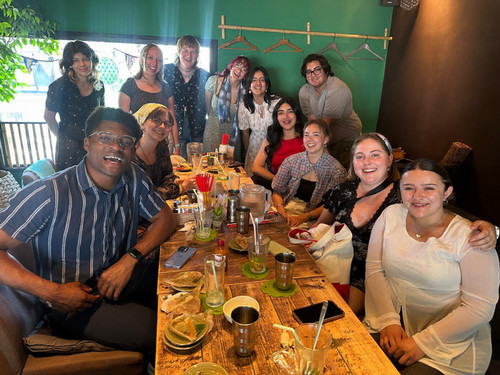
One thing I loved about our group was that we rarely did things alone. Even before we left for the trip, we had officially decided that nobody should go anywhere by themselves; that is how we operated. There was always a buddy, always someone willing to come along. Whether it was returning to a museum for a project, finding materials for research, or simply exploring because we were curious, there was almost always someone ready to join. Even our professors were more than willing to come with us, and those shared experiences outside the classroom became some of the most memorable parts of the trip.
Most evenings ended the same way: hungry. We would wander through Kyoto together, looking for sushi, ramen, soba, curry, or whatever looked good. Sometimes we knew where we were going, and sometimes we absolutely did not. Either way, the walks were filled with stories, jokes, and conversations that somehow made even the longest days feel shorter.
What amazes me most is how quickly we became close. Nobody got left behind. Everyone made an effort to include one another, and that made all the difference. Somewhere between all the walking, researching, and late-night convenience store runs, we became friends. The kind of friends who are already planning reunions before the trip has even officially ended. We joked constantly about having one in Nepal someday, and honestly, I would love nothing more.
The last night felt like the perfect ending. A group of us finally went to karaoke, something I had been talking about since before we even left for Japan. The fact that my friends remembered that and came with me meant all of Kyoto, Japan, and the whole world to me. We spent the night singing, laughing, jumping around, struggling to figure out the karaoke machine, and eventually figuring the machine out and finding songs that everyone could sing along to. Dream come true!
Throughout the trip, we were invested in each other's work too. If someone spotted something related to another person's project during a side quest, it would immediately end up in the group chat. We shared photos, ideas, resources, encouragement, and sometimes stress. We spent late nights in the lounge working on final projects, attempting to focus but somehow ending up distracted by conversations and laughter. We borrowed materials, shared worries, celebrated breakthroughs, and kept each other going.
Seeing everyone's final projects come together was beautiful. We had watched each other's ideas develop from rough concepts into finished works. Knowing the amount of thought, effort, and passion behind each project made the final presentations even more meaningful. They all worked out so beautifully!
As this trip comes to an end, I realize that what I will miss most is not Kyoto itself. It is the people I experienced Kyoto with. The shared vocabulary we somehow created, the inside jokes that make no sense to anyone else, the habits we picked up from each other, the support we gave one another, and the countless moments of laughter.
To my friends and professors: thank you. This experience would not have been the same without you. I will carry these memories with me for a very long time. And if that Nepal reunion ever happens, I'll be waiting.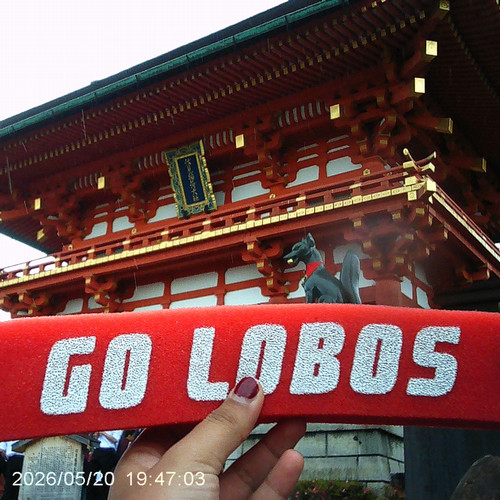

Blog #5
Go on a study abroad; two weeks, a semester, or a year.
You leave, and you're not the same when you come back- for the best reasons possible.
Study abroad is not just about the places you visit or the classes you take. It is about finding parts of yourself you never knew existed. It is learning how to navigate unfamiliar trains, communicate across cultures, get lost, and somehow find your way back, and realizing that you are capable of far more than you thought. It is discovering that growth can happen in the smallest moments: a conversation with a stranger, a wrong turn down a side street, or a late-night walk back to the hotel with friends.
Kyoto has been the perfect place for that journey. There is something special about this city. Maybe it is the quiet peace of the temples and shrines, the energy of the kami, the beauty hidden in every street, or the way history and everyday life coexist. Maybe it is the feeling that even in a city of millions, there is always a moment of stillness waiting for you.
To the kami who watch over Kyoto, thank you for welcoming us into your spaces and allowing us to experience the traditions and stories that make this city so unique.
Thank you to Kyoto University of the Arts for opening your doors to us and sharing your knowledge, creativity, and culture.
To the trains that somehow became such a central part of our daily lives, carrying us across the city on countless adventures, and of course, to the incredible food that fueled every long day of walking, learning, and exploring.
Most importantly, thank you to my group. You turned a study abroad into something much greater. From side quests and inside jokes to 2 A.M. konbini runs, crowded trains, karaoke night, and countless shared meals, you made every moment memorable. What started as a group of classmates became a collection of friendships I will carry with me long after this trip ends.
Thank you to UNM and GEO for making this opportunity possible, and thank you to everyone who followed along through these blogs. I hope you enjoyed this journey as much as I did.
And I hope you muster up the curiosity in you to leave and explore!
Maybe next time, you'll be the one navigating unfamiliar trains, collecting inside jokes, and writing about late-night convenience store runs in some corner of the world. And I'll be reading about all the memories you're making.
Until next time, Kyoto.
ありがとうございます。