Olivia McCall- Blog Abroad
Blog #1
June 2026
The Memories in Mind: 6/7/2026
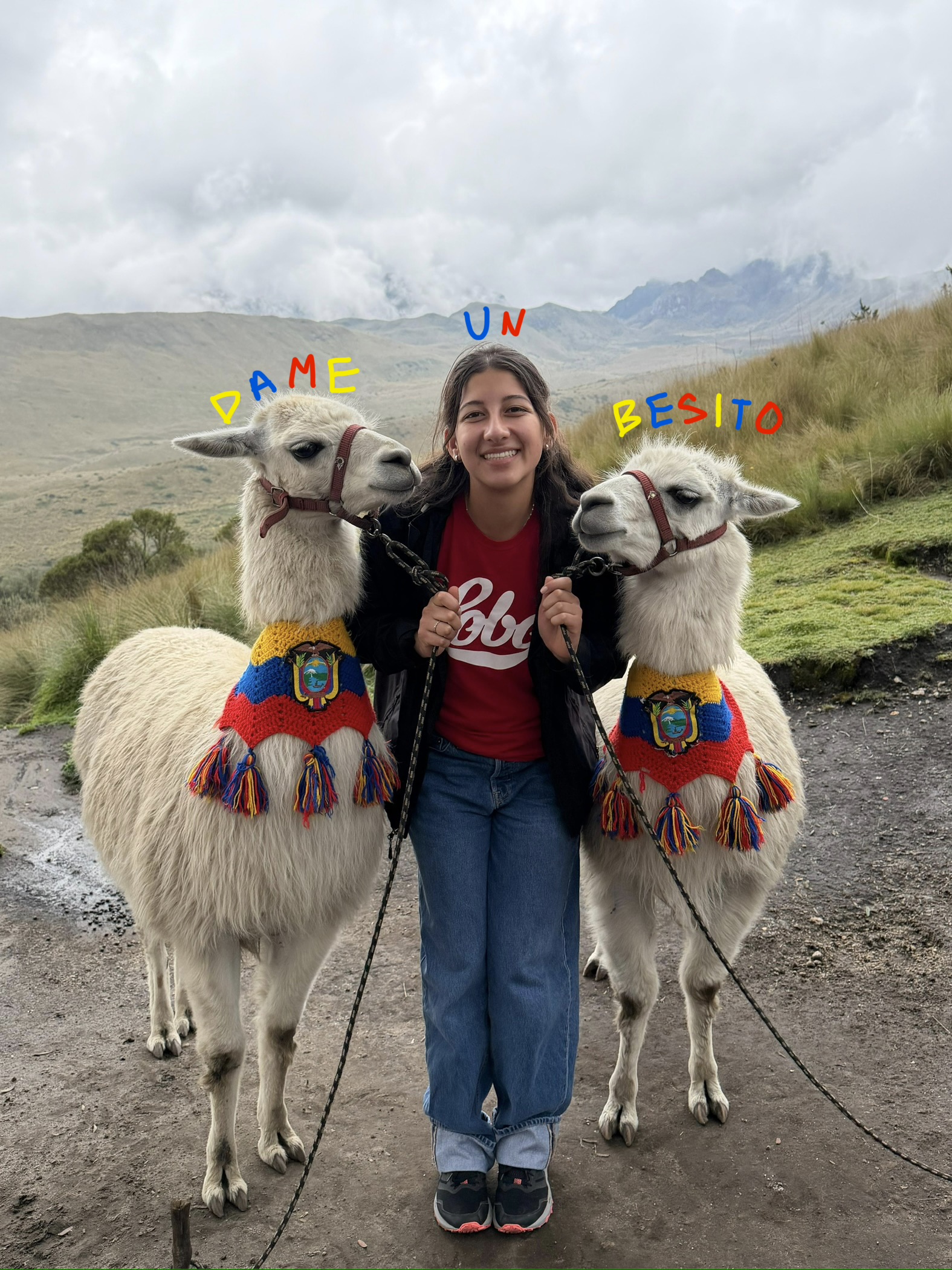
Blog #2
"After more than 20 hours of class, weekend adventures, and constantly translating conversations in my head, I felt like I had been running at 100 miles per hour since arriving in Ecuador. My first week in Cuenca had been a whirlwind of new experiences as I found myself totally immersed in local life, culture, and a language that I barely had a grasp on. So grab a coffee, and let’s talk about the culture shock. June 2026
Cero Problemas: The Cuenca Learning Curve
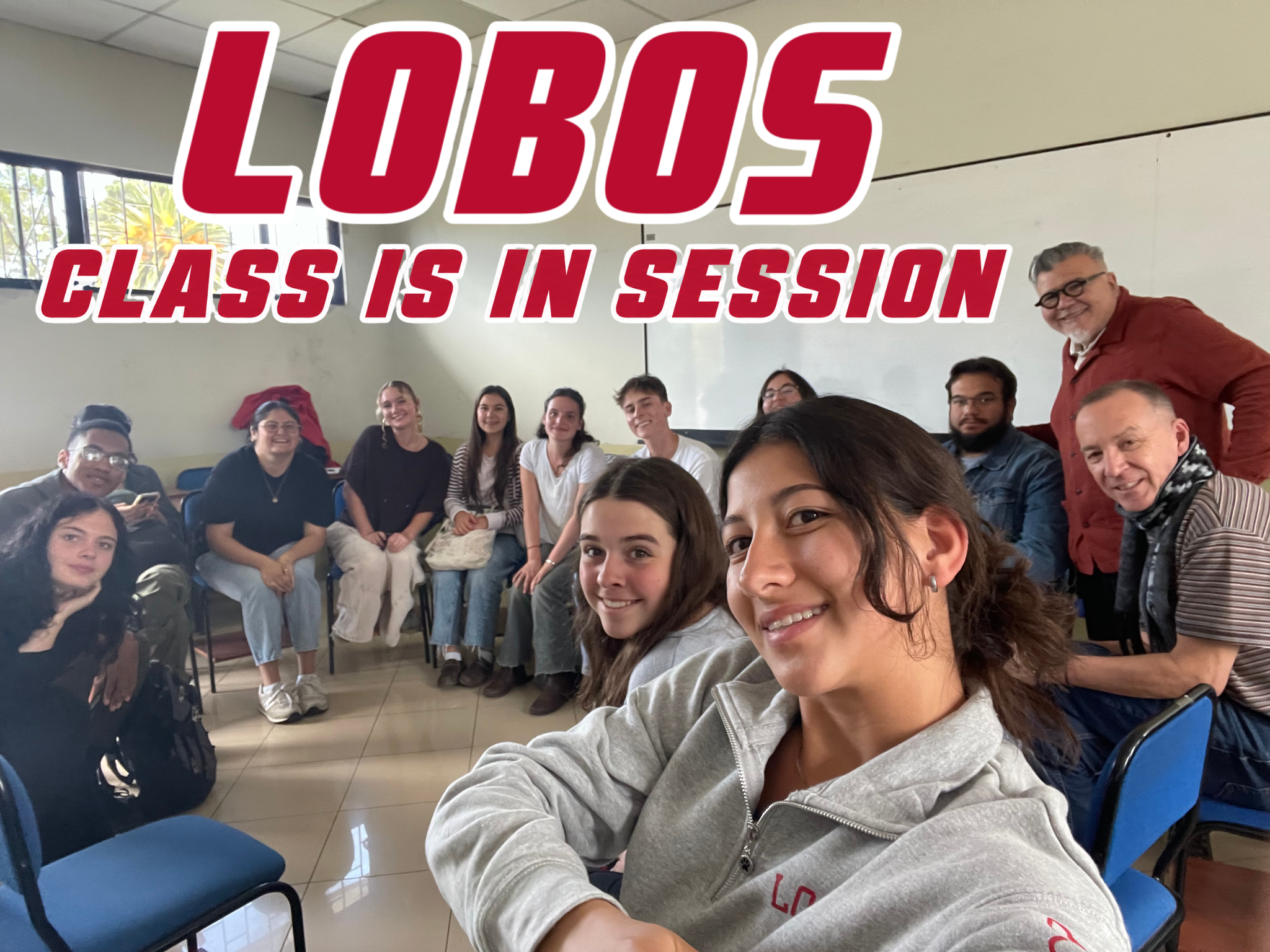
The academic portion of Conexiones includes Spanish class four times a week with a professor from the Universidad de Cuenca, along with Hablantes Conectados and Space and Culture. Each class focuses on a different aspect of cultural immersion. My Spanish course challenges me to communicate far beyond my comfort zone and encourages me to speak even when I am unsure of myself. Meanwhile, Hablantes Conectados and Space and Culture encourage me to reflect on how experiences, places, and culture shape both identity and the way we see the world.
Of course, one of my favorite ways to experience a culture is through food. My host mother quickly made me feel welcome. Her favorite phrase, “cero problemas” (“zero problems”), encouraged me to relax and make myself at home. The same warmth carried over into her cooking. From the tower of fresh fruit in her kitchen to the three homemade meals a day, I was in foodie heaven. I have fallen in love with the local fruits such as maracuya (passionfruit) and mora (blackberry), though tomate de arbol (tree tomato) has yet to become a favorite. These moments of comfort helped ease the transition and highlight the differences in everyday life and diet.
One of the biggest surprises has been how much I have learned simply by listening. Whether it is the radio playing during meals, local news discussions, or conversations around the city, I am constantly exposed to new vocabulary and perspectives. Once we leave the comfort of home, a steady stream of honking fills the streets, and as we approach Universidad de Cuenca, the rushing waters of the Tomebamba River signal our arrival. Together, these everyday sounds create a level of cultural exposure that no classroom lesson could replicate.
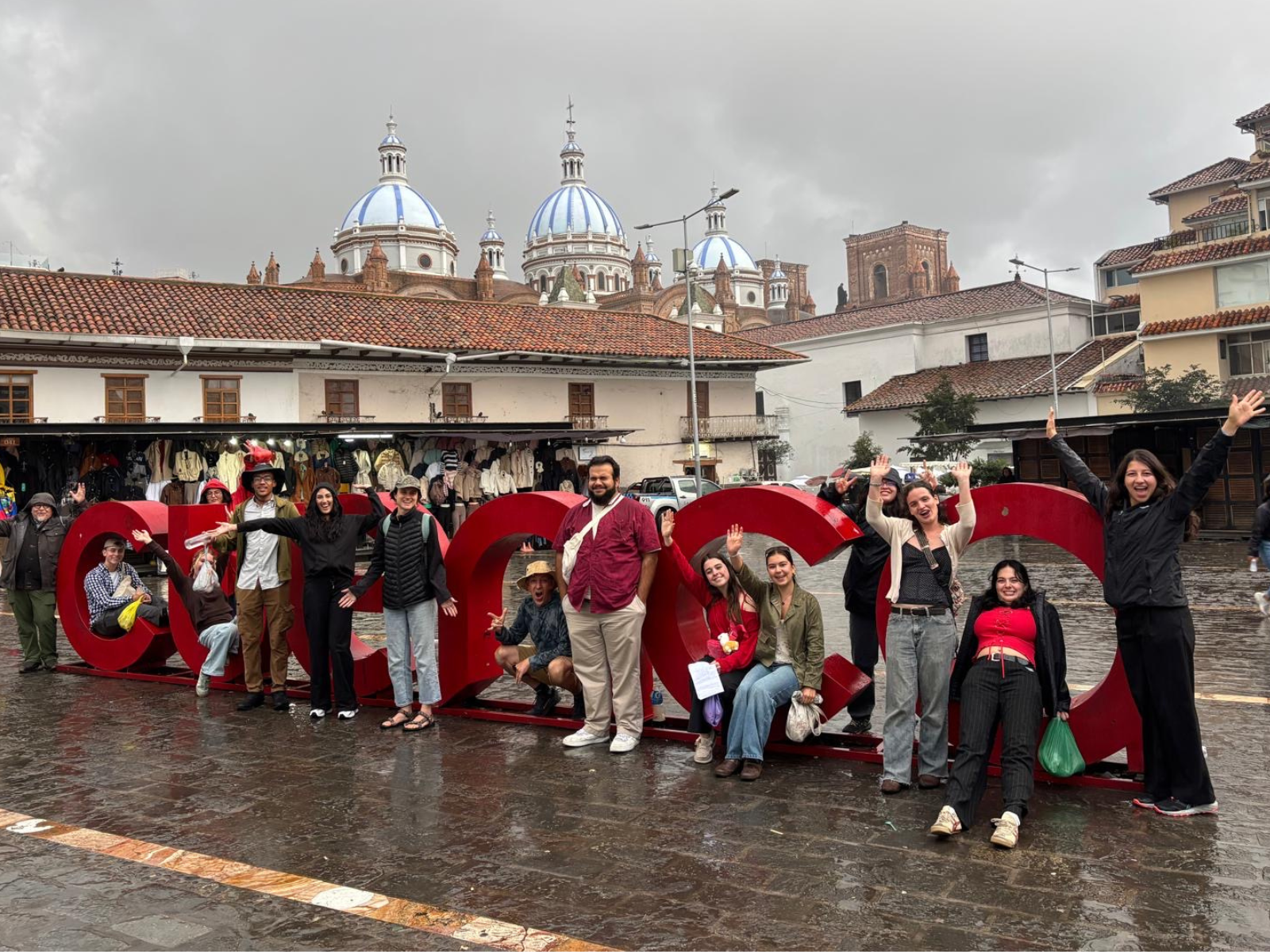
Looking back at our group photo in front of the Cuenca sign, I am reminded that this first week was about much more than adjusting to a new country. It was about embracing discomfort, learning from the people around me, and finding confidence in experiences that once felt overwhelming. Even when my brain ached from translating conversations and processing new customs, the culture, kindness, and community I found here began to feel less foreign and more like a part of myself. For future study abroad students, embrace the discomfort. The moments that feel overwhelming at first often become the experiences that teach you the most and stay with you the longest."
Blog #3
"Those four days were a once-in-a-lifetime trip within a once-in-a-lifetime trip. After more than 11 hours on a bus, we left behind the familiarity of Cuenca and journeyed deep into Ecuador’s Amazon rainforest and the highlands. What followed was much more than sightseeing; it was an immersion in landscapes, traditions, and moments that changed how I experienced both Ecuador and life. June 2026
A Trip Within a Trip
It first began as we drove into the jungle. Fog wrapped itself around towering cliffs, obscuring the road and view ahead. Normally, I would have been sick to my stomach as we navigated the winding dirt roads, but instead I sat on the edge of my seat in anticipation. Somewhere beyond the mist was the Amazon, a place I had dreamed of seeing.
When we arrived at our hosteria, everyone else set off on a muddy hike to a waterfall. But I was exhausted from the journey, and I chose something unusual for me: rest. That decision became one of the most rewarding decisions of the trip. As I wandered the terraces overlooking the valley, I discovered abejas negras humming among the trees and watched countless rivers weave together in the distance. During a trip filled with movement, I learned that slowing down can be just as meaningful as chasing the next adventure, and sometimes the best way to experience a place is to simply sit and listen.
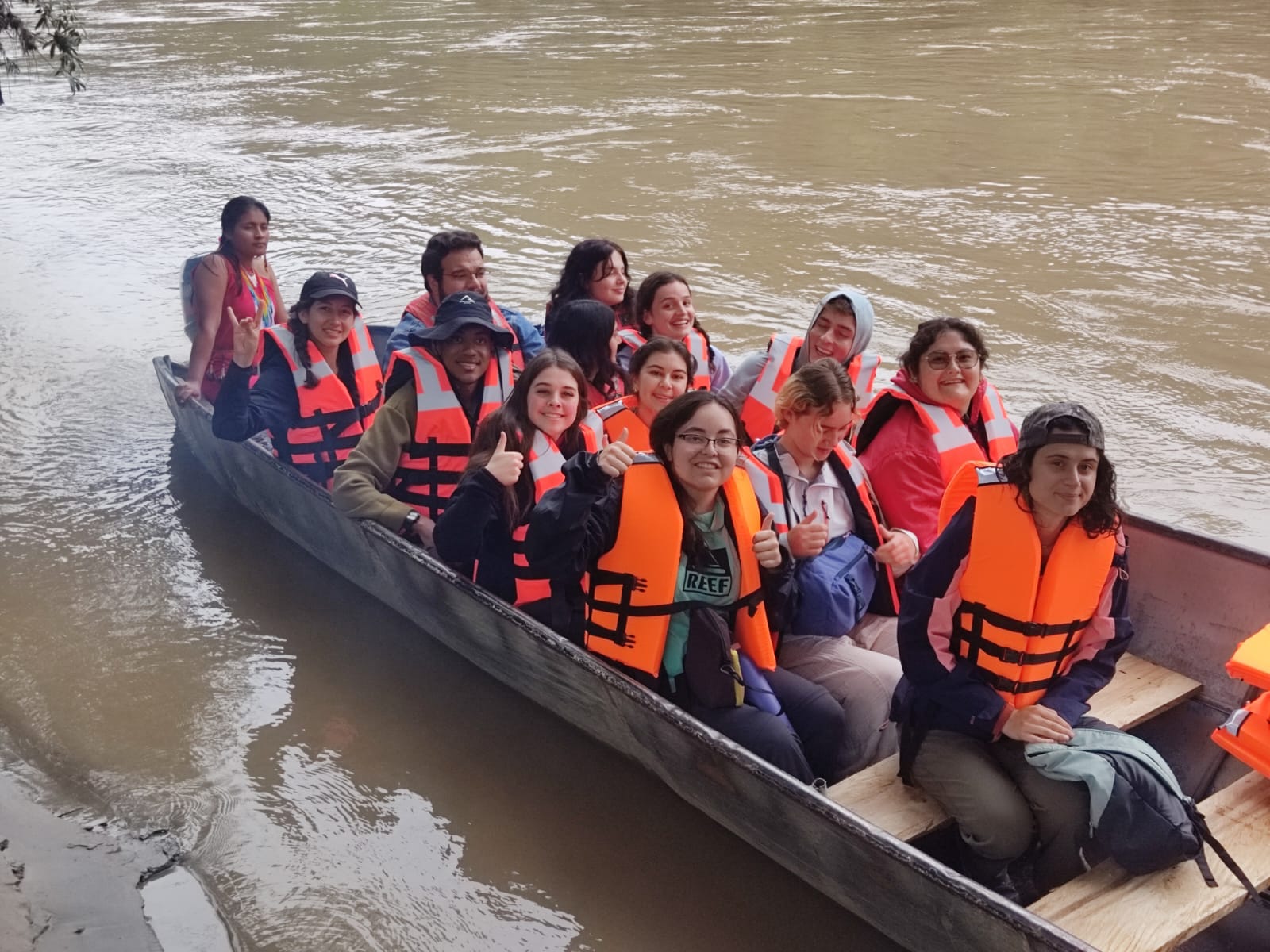
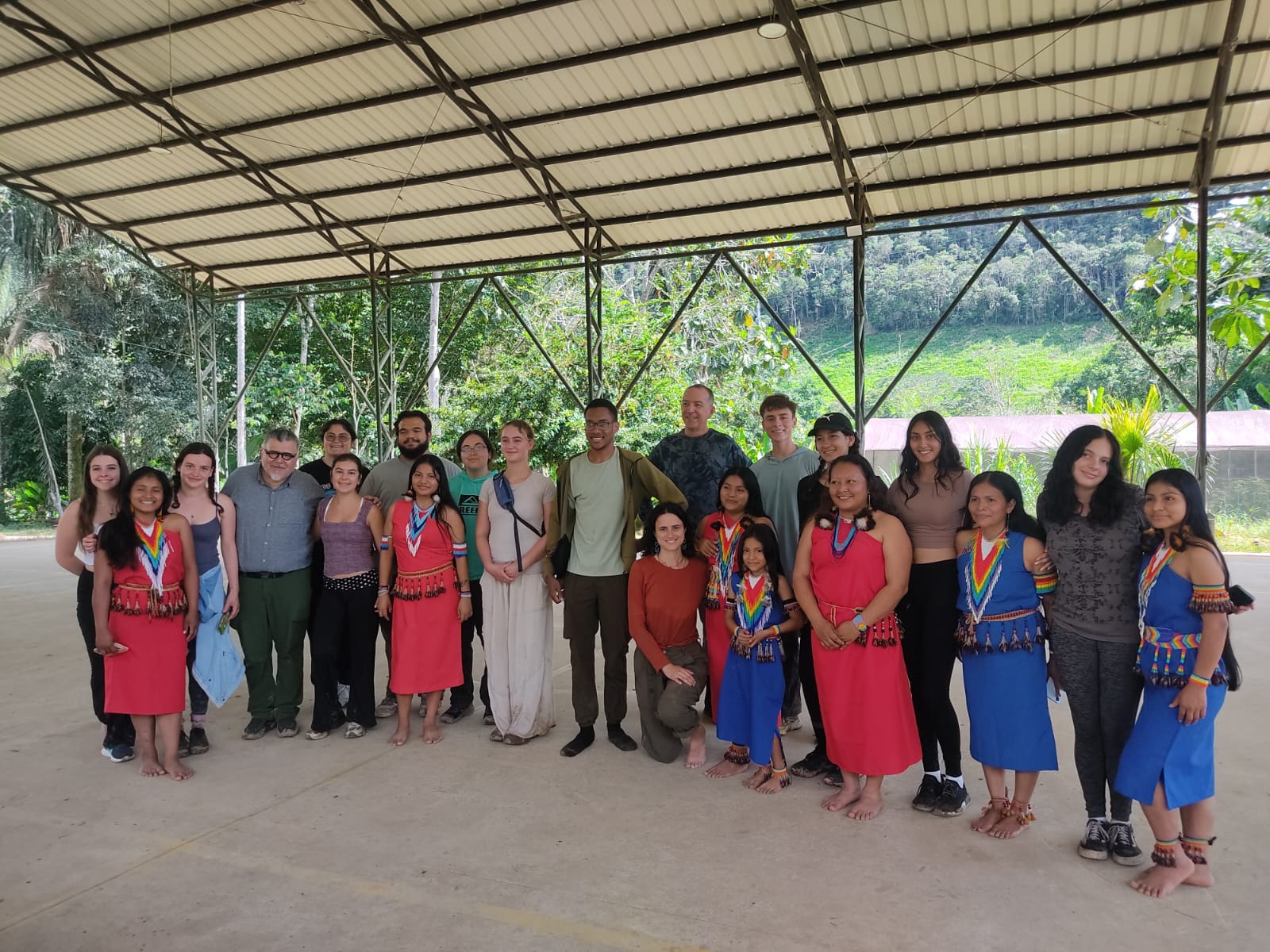
The next day, water carried us deeper into the jungle. As our boat moved along the river, I felt a growing excitement for what awaited us. Upon arrival, the Shuar community welcomed us with open arms, offering guaba pods and introducing us to a beloved pet wild pig we jokingly named “pig dog” for his serious love of humans and belly scratches. Yet what moved me the most was not the hospitality itself but the feeling behind it.
Our journey into the Shuar community and jungle continued on foot as we reached a waterfall. Water thundered from the sky to the earth as raw energy. Standing there, surrounded by mist and jungle, I felt revitalized. The exhaustion was washed away as the waterfall seemed to embody everything I had experienced so far, from power to connection and life itself.
At lunch, generations of Shuar stood side by side dancing, and my heart melted. This wasn’t a performance for tourists. It felt genuine. There was pride, community, and connection. I watched traditions being passed from elders to children while new memories were created for our group.
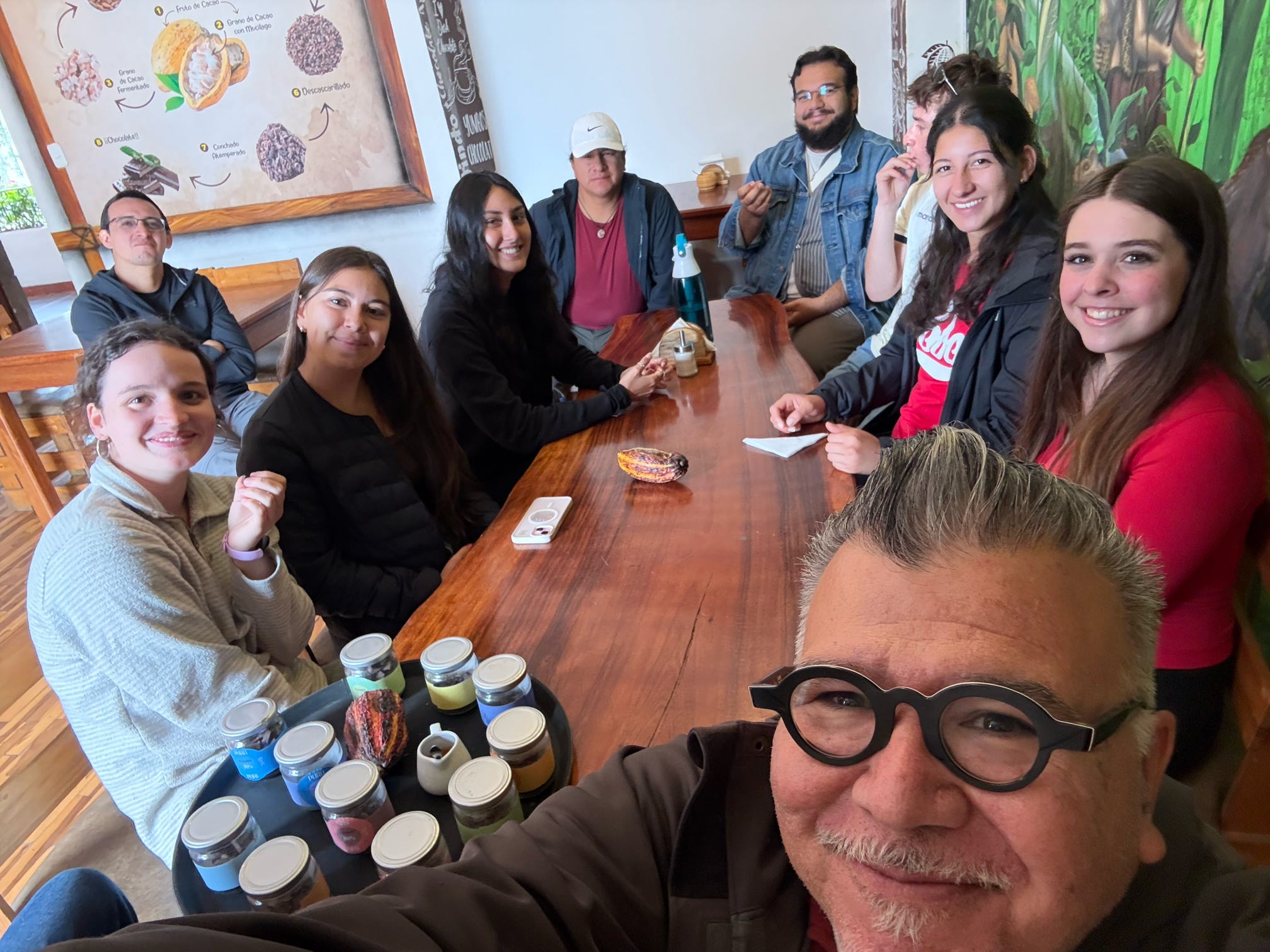
Our next hosteria felt almost unreal as it reminded me of the lyrics of Hotel California. A place that seemed to invite you to stay forever. I felt suspended somewhere between dream and reality but still, our journey continued. The next day brought one of the most memorable experiences of the trip: visiting an endemic cacao plantation. From the moment we arrived, joy coursed through my veins. My understanding of Ecuadorian chocolate changed completely. We stood beneath ancestral cacao trees, learning that every cacao variety in the world traces its roots back to Ecuador. Then we experienced chocolate with all five senses. From tasting the sweet fruit surrounding fresh cacao seeds to sampling fermented beans and finally savoring finished chocolate bars of different cacao percentages ranging from 65-100%.
The experience became deeply personal when each of us planted a cacao tree. I named mine Oli, the nickname given to me by my host mom that I had come to love. As we pressed our hands into the soil and sang lullabies to our trees, we left our mark on the mountainside. We then climbed twisting vines, slid down muddy slopes, and left carrying chocolate bars, cacao drinks, and memories that would last far longer than any souvenir. I walked away with a lighter wallet, a heavier bag, and a much fuller heart.
As we continued to travel by bus, I woke to the sight of a towering waterfall beside the highway so massive that it created its own rain ecosystem. It reminded me of one of the core goals of our program: exploring Ecuador through its soundscapes. Throughout the trip, one sound had accompanied us everywhere: water.
Water rushed through rivers, crashed down waterfalls, drummed on rooftops, and whispered through the rainforest. In many ways, it felt like the heartbeat of Ecuador itself. Surrounded by so much water, it made sense that life flourished here.
As the trip wound down, not every moment was perfect. A nearby club blasted music until three in the morning, and by sunrise, I was battling stomach problems and spent the day dealing with the symptoms. As miserable as I felt, I still participated in a tradition limpia. Standing there, shaky-legged, I focused on the ceremony’s purpose of cleansing negative energy and restoring balance. Despite my illness, I was determined to be present. It became my final opportunity to connect with a tradition of my culture far older than myself.
This trip welcomed me with rivers, waterfalls, cacao trees, songs, and stories. It had taught me to slow down, to immerse myself fully in the present, and to embrace experiences even when they were uncomfortable. Four days earlier, I had boarded a bus headed into the unknown, and I returned tired, muddy, and extremely sick, but also revitalized, grateful, and more connected to the world around me than ever before. "
Blog #4
"Whenever I travel somewhere new, I try to understand it through its food. Meals are more than something to eat; they are history served on a plate. Every ingredient tells a story about the land, the people who cultivated it, and the traditions passed down from one generation to the next. During my time in Ecuador my host mom became my guide through Ecuador, one meal at a time.June 2026
Discovering Ecuador, One Bite at a Time
What surprised me most was how Ecuador’s incredible geography appears at every meal. Tropical fruits like maracuya, tamarind, frutilla, and mango were made into fresh juices that were served almost daily. While the Andean highlands contributed potatoes, mote, and hearty soups. Every meal included rice, meat, vegetables, and fresh juice, creating a plate that reflected the country’s abundance of biodiversity.
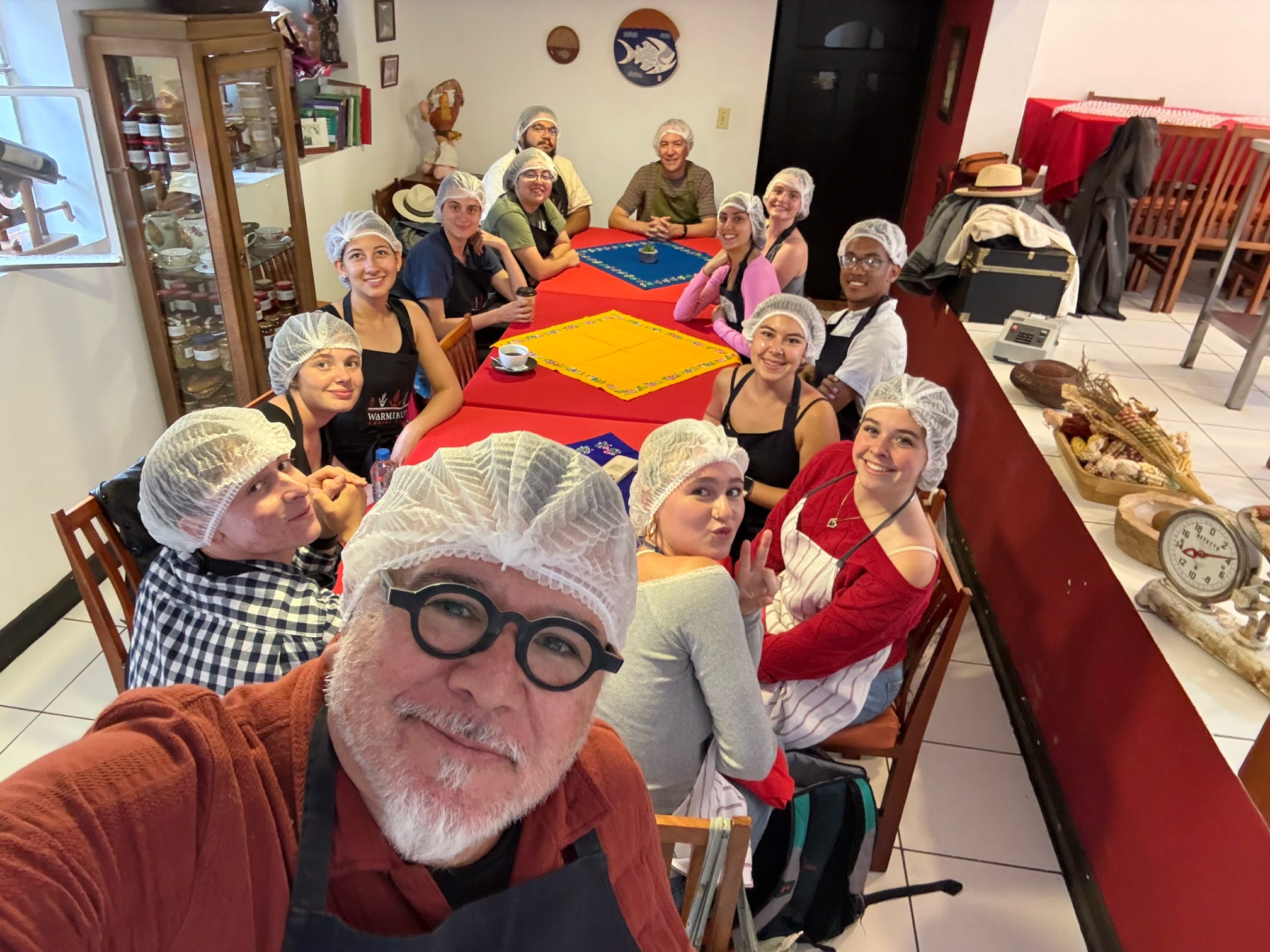
Some foods carried centuries of tradition. Cuy is an important part of Andean culture and is often served during celebrations. Trying the rich and dark meat of cuy reinforced that food reflects culture as much as taste. Community was brought in as we prepared humitas all together. The result of our labor was a fluffy treat that balanced the sweet flavor of corn and savory cheese. Another memorable dish was locro de quinoa, a rich and golden potato soup with spinach and quinoa. These humble ingredients became comforting staples on a rainy day. Other soups became an experience when freshly popped popcorn was sprinkled into a bowl, adding a salty crunch that contrasted the creaminess of the soup.
The ingredient that held the deepest roots with my own heritage from Ecuador was the plantain. I have loved plantains since I was little, so rediscovering Ecuador’s many preparations felt like seeing an old friend. Crispy patacones, sweet maduros, heart bolón, and crunchy chifles showed how one crop can become countless dishes with a wide range of flavors. Even pan from neighborhood panaderías became a treasure hunt as you could smell the pan before you even saw the store.
When drawing comparisons between New Mexicos cuisine and Ecuador, there is a reminiscent element that both celebrate local agriculture and recipes that families have preserved for generations. The difference lies in the local agriculture as New Mexico revolves around chile and Ecuador highlights the humble ingredients listed above in a rich and comforting style. Both cuisines tell the story of their landscape, just with different ingredients.
Food is not only about recipes, but it is also about relationships. This echoes a memory of my host mom and her sister stopping by the neighborhood corner store after it had already closed. Instead of turning them away, the owner unlocked the door, welcomed them inside, and spent a few minutes chatting while they grabbed some fruit and ingredients for the next day.
Looking back, I realize I didn’t just taste Ecuador; I learned its history, geography, and hospitality one bite at a time.
Blog #5
"A Ecuador, June 2026
A Love Letter to Ecuador/ Una carta de amor a Ecuador
A dream ever since my Abuelita passed. But this dream was a remedy for an ailment I had inflicted on myself. My entire childhood, I had pushed away my Abuelita as I thought that the language she spoke, and the life she lived, was less than in a sense. Looking back, I had the wrong perspective. Her language had been a connection to her heritage, her friends, and a community that, without Spanish, left you out, rightfully so.
Going on this study abroad trip felt so right when I first heard about it. A full month in Ecuador sounded perfect. It would be my first time connecting with this side of my heritage, and yet nothing could have prepared me for the open arms with which I would be welcomed.
From the first meeting with my host mom, I felt a familiar warmth from her as her unconditional love, despite me not being her biological wawa (baby in Kichwa), mirrored my own Abuelitas love that had once been so familiar. Her love extended into every meal she cooked for me. Even as she urged my host sister and me to eat more to “not lose our figure,” I could feel her love for us growing.
Even the language itself brought a smile to my face as new words were added to my Spanish dictionary. The all-too-common phrase “que chevere” was a delight as it encapsulated an emotion of laughter within the language. Hija, a word that may be commonplace and simply mean “daughter,” carries so much more for me than just that. As hija means you care, you are calling me your own and truly is a word that melts away my stresses and fears, leaving behind only warm joy.
These words were quickly transformed from a simple configuration of letters to something else entirely by the sounds associated with it. The sense of hearing and listening had been highlighted and focused on during this study abroad program with a theme of Soundscapes of Ecuador. Sounds that would have only been background noises became highlights of the trip. Even my routine became defined by these sounds: a gas truck playing music as it drove by, the sounds of dishes clattering from my host mom, the backfire of motorcyles as I approached the main avenue of Av. Remigio Crespo Toral, a pharmacy playing English music where I turn, a man selling bolon with a quiet speaker next to him and an even quieter atmosphere, a metal thunk as we crossed the threshold of La Universidad de Cuenca, and a soft chitter of hummingbirds the size of a hand zipping by. All these sounds describe only an hour of my day, but they became routine during my short time in Ecuador, a place that now feels like home.
This theme of sound and my emotional experience reflected itself within my audiobiography. An assignment quickly turned into a digital scrapbook to remember one short month that healed a part of me forever. This audiobiography features pictures of adventures we had, things we had seen, and elements that represented all the in-between. Layered on top were clickable audio clips, which altogether encapsulated the educational, personal, and memorable experiences. This is the link to experience the audiobiography yourself: https://canva.link/joxnn6kasexgw97
The food of Ecuador added another layer to the memories I look back on, as each piece of a plate showed great detail of the agricultural biodiversity, the natural methodology, and the love that was delivered on a plate and infused in every cup of jugo (fill in whatever amazing local fruit that it was made from). Despite facing everyday battles with the overwhelming mountain of rice, it was solely focused on health and creating a satiating meal to power you through whatever adventure was next. Outside of my routine days in the classroom, I will vividly remember all our weekend adventures. From Canari and Incan ruins to hiking with the leader of the Shuar community to a cascading waterfall from the sky and even seeing local weaving with natural dyes and walking out with your very own handwoven and dyed shoes while the rest of your group is dripped out in this historically significant handiwork. To keep up with every adventure, and the lack of sleeping in, coffee quickly became my buddy, but it was another adventure as it, alongside chocolate, was endemic to Ecuador as my taste buds directly experienced the richly complex roots of these two ingredients in Ecuador.
Although New Mexico is the “Land of Enchantment” and a home to me, Ecuador has also earned this title and place in my heart. In the blink of an eye that was four weeks, my own roots have grown deeply into the heritage of my soil, my Spanish has progressed (albeit with lots of room for improvement), and memories both physical and digital have left me feeling restored in my heart, mind, and soul. From the bottom of my heart: me amo Ecuador.
Sinceramente, Oli"