Jessica Storlie- Blog Abroad
Blog #1
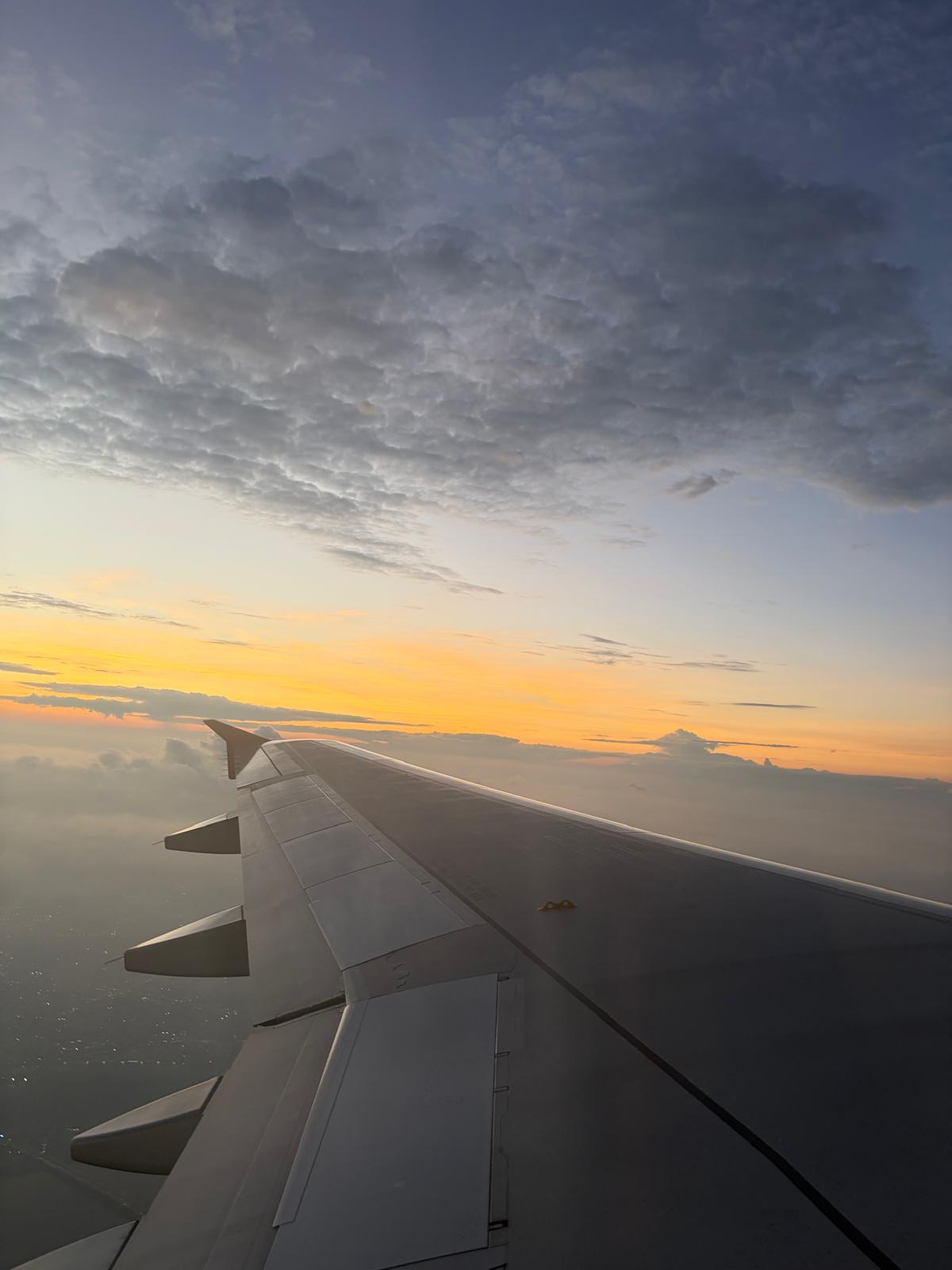
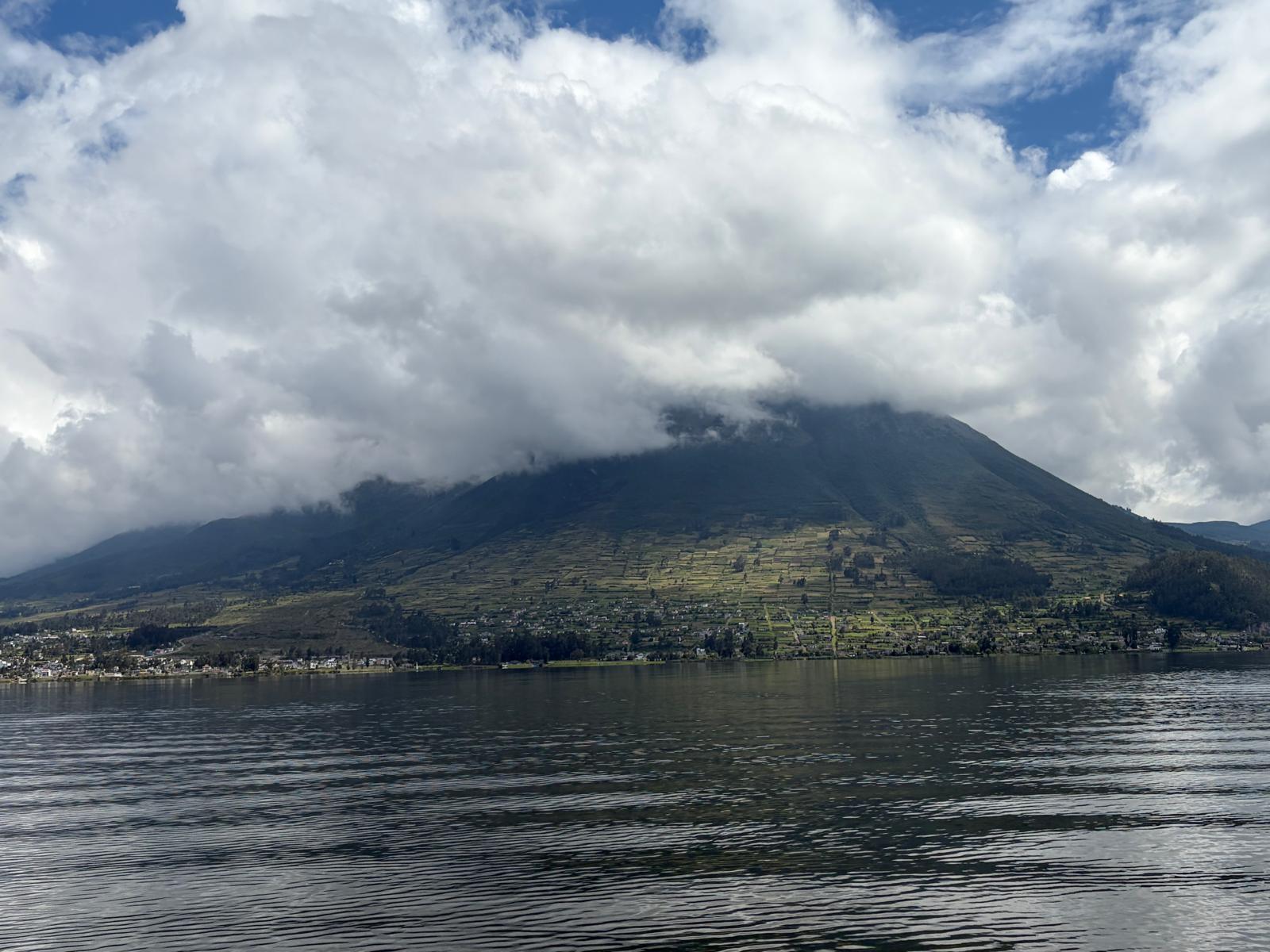
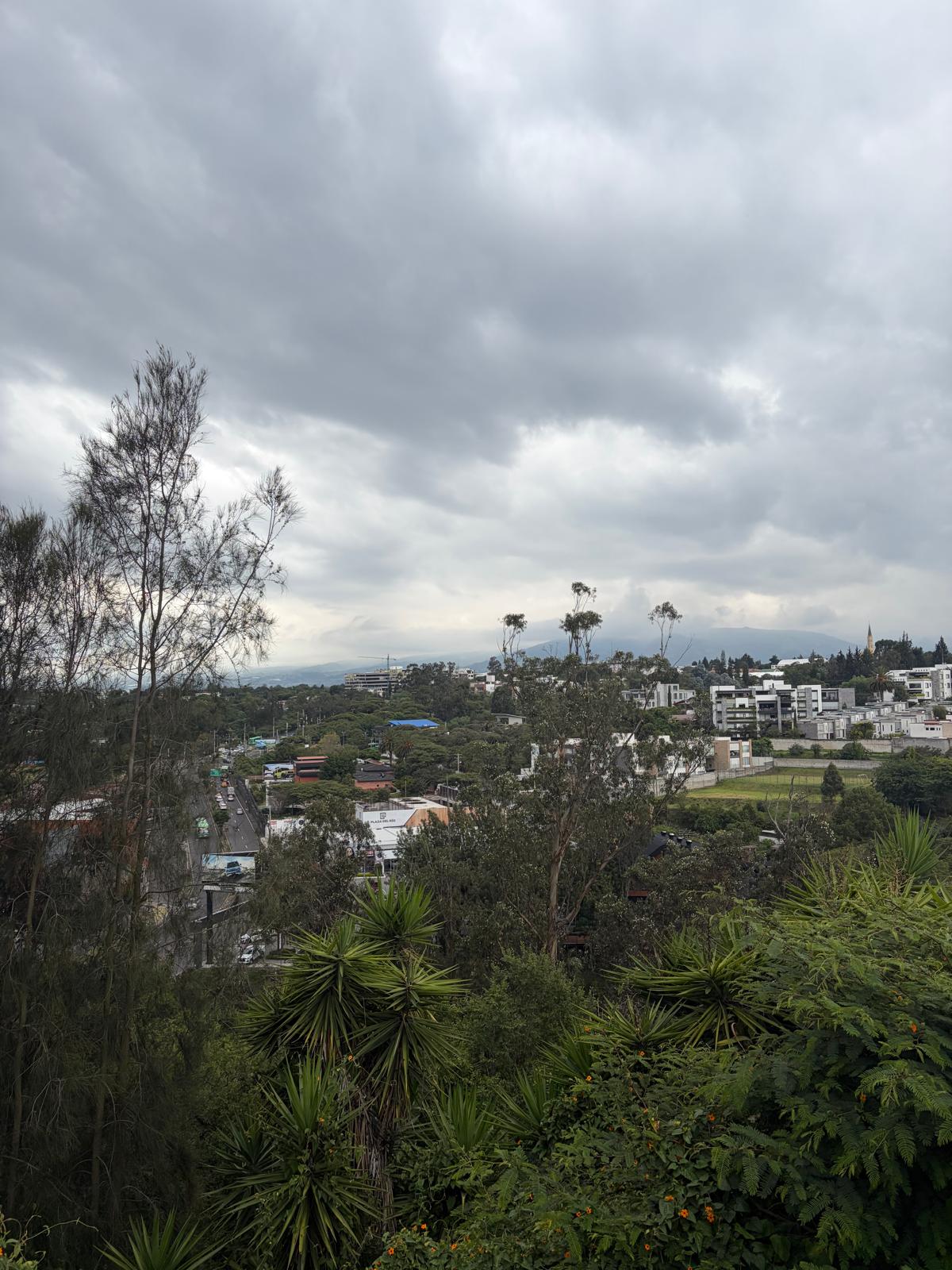
Studying abroad is something of a rite of passage. Although I had already completed an exchange year at the University of Alaska–Fairbanks, I wanted something that would challenge me more and push me constantly out of my comfort zone. Ecuador seemed like the obvious choice. My program is split into two parts. For the first half, we go to the main campus of Universidad San Francisco de Quito, which is located in Cumbayá just outside Ecuador’s capital, Quito. Then, we head to the Galápagos Islands for the remainder of the program. I started my journey with an early flight out of Chicago: a 5 a.m. arrival and an 8 a.m. departure for my first leg to Panama. The flight took about five hours before we landed in Panama City. I was lucky enough to see the Panama Canal from the airplane, which was pretty cool. After a five-hour layover, we took off for Quito. I had always thought that living on the equator would mean the sun sets very late, but it is quite the opposite. Every day, the sun rises at 6 a.m. and sets at 6 p.m., which meant that on my 7 p.m. flight into Quito, I did not get the views of the Andes Mountains I had hoped for. When I first arrived in Quito, I was greeted by my host family, with whom I will be living during my time in Cumbayá. One of the things I was most worried about going into this program was communication. Would they know any English? Would we even be able to talk about anything? Although I have taken a few years of Spanish, it is a totally different experience to rely completely on a second language every day. I was lucky, as both of my host parents are fluent in English, but I still enjoy the challenge of improving my own Spanish skills with them. My first week has been one of the most exhausting of my life. I traveled to Otavalo, an Indigenous market north of Quito, with my host family; attended several orientations about our upcoming field trips during the program, including one to a research station in the Amazon rainforest; met so many people; and explored Quito on my own. Although the altitude is definitely a factor, Quito sits at about 10,000 feet above sea level, I rely on that excuse far more than I should. One thing they do not tell you about altitude sickness is that your fingers and toes can tingle constantly before you are acclimated. Even with all of this, actually being in Quito has made me even more excited for the semester ahead.Cumbaya
January 2026
Blog #2
Quito and Papallacta
January 2026
Blog #3
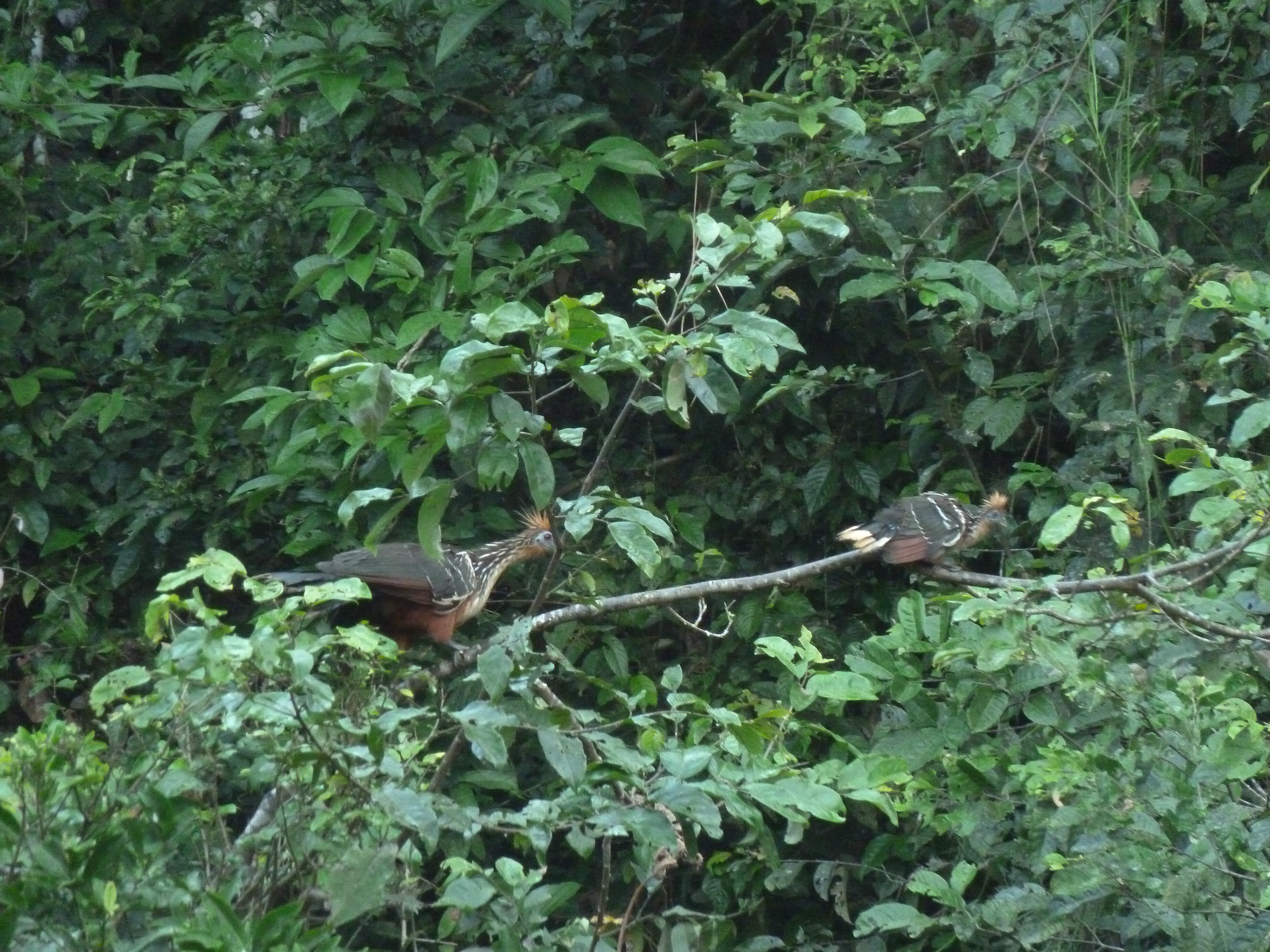
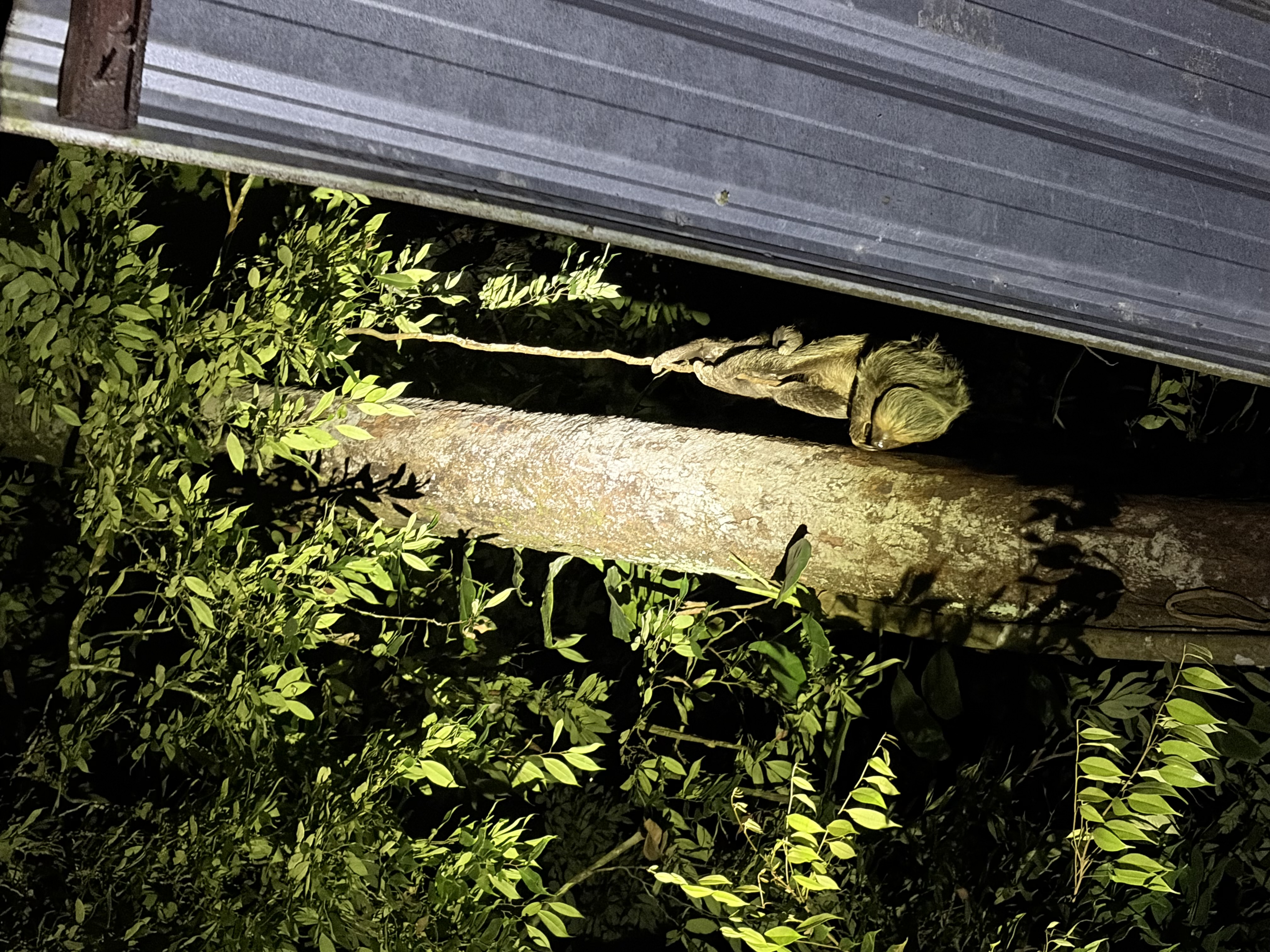
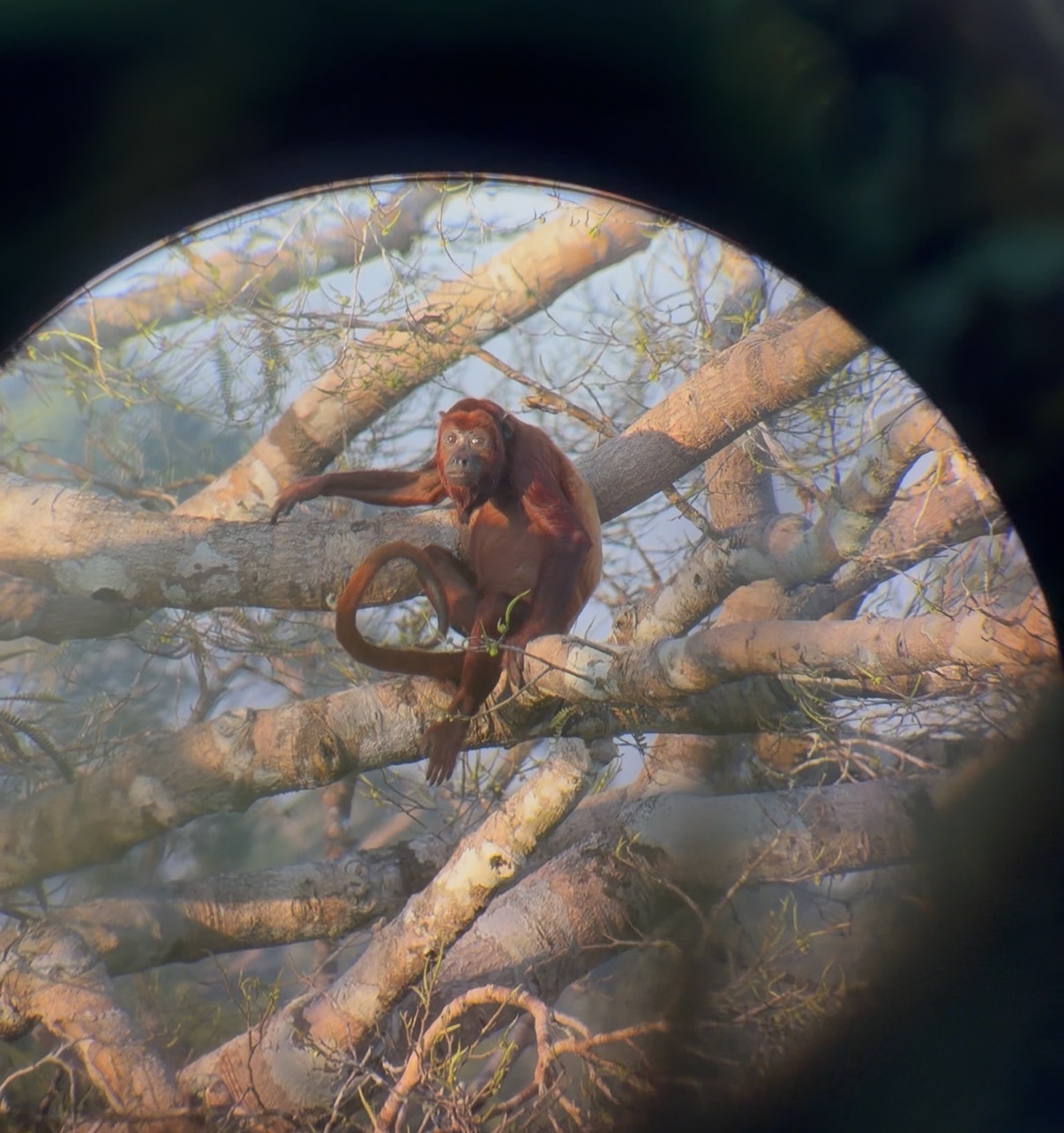
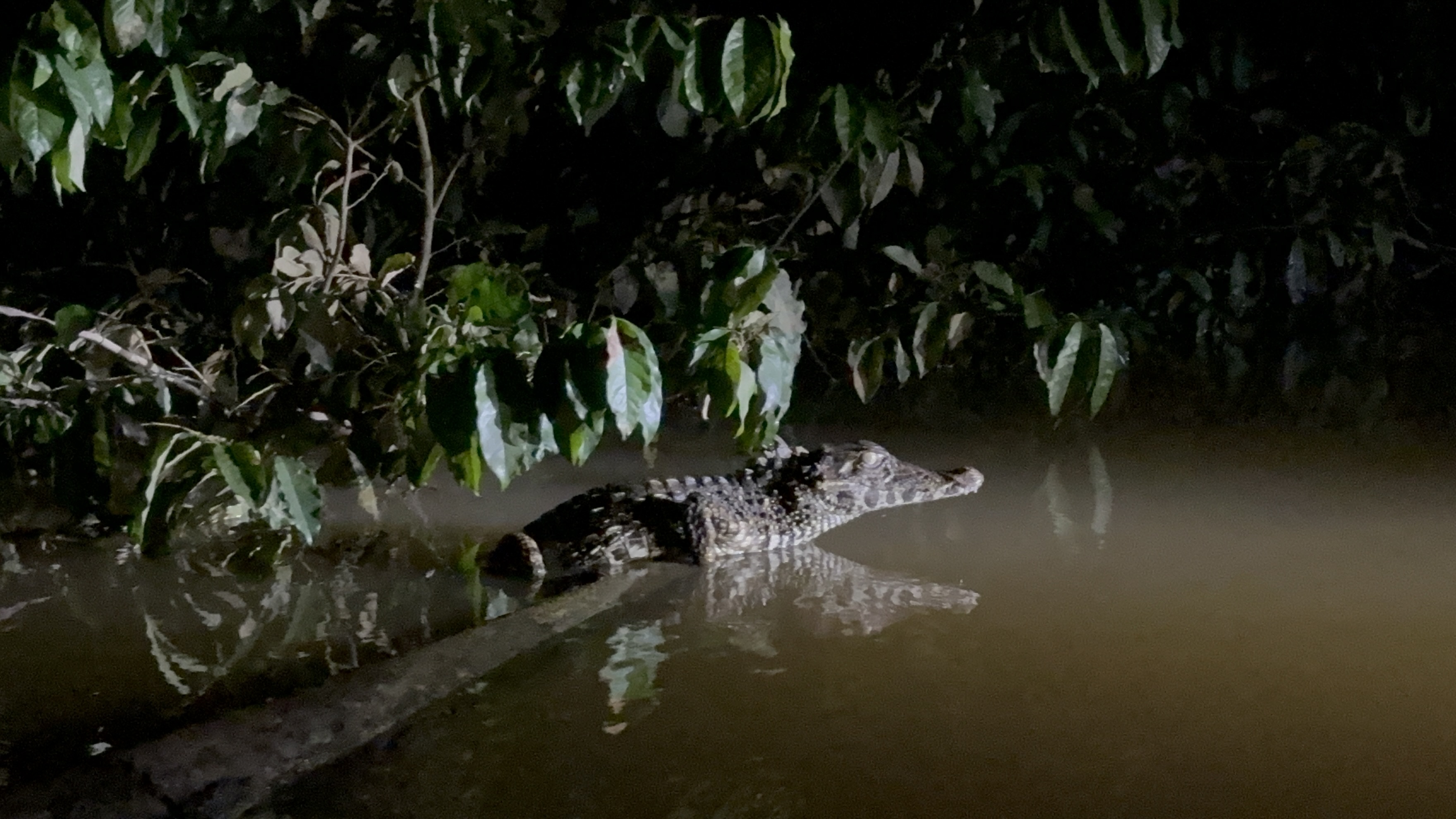
One of the highlights of this program was our field trip to the Tiputini Field Research Station, located deep within the Amazon Rainforest. To give a sense of how remote it is, we traveled from Quito by taking a 30-minute flight to the city of Coca, followed by an hour-long boat ride down the Napo River, a two-hour bus ride to the Tiputini River, and then another two-hour boat ride. We had no reception, and the nearest “town” was an hour away by boat. The journey itself felt like an adventure, full of wildlife and anticipation. At home, I enjoy birdwatching, so I was especially excited to experience such a biodiverse region. I tried not to build expectations, but I secretly hoped to see scarlet macaws and a white-throated toucan. Thankfully, I saw both and so much more. We spent six days in Tiputini, not including travel. Our days started at 6:00 a.m. with breakfast, followed by morning activities, lunch at noon, afternoon outings, dinner at 7:00 p.m., and evening excursions until about 9:30 p.m. One of our first activities was canoeing through an oxbow lake, where we saw hoatzins. As babies, hoatzins have an extra talon that allows them to climb back into their nests after jumping into the water to escape predators. On our hike back, we saw leaf-cutter ants and their “highways,” towering rainforest root systems, and monkeys leaping above us. Later, from an observation tower, we spotted toucans, caracaras, and colorful tanagers. Seeing iconic species like a white-throated toucan or scarlet macaw in the wild was unforgettable. Another day, we hiked with a local guide whose knowledge of the forest was incredible. He showed us plants that could cut hair, bark that numbed your mouth, and even ants that tasted lemony. That night, we took a boat ride to search for caimans and were lucky enough to see one fully out of the water. Later, an employee rushed in to tell us there was a sloth nearby. We ran out to find a mother sloth and her baby, a magical, unexpected moment. On our final full day, we visited a salt lick (saladero), where we saw four species of parrots feeding on mineral-rich clay. We also floated down the river, initially intimidated, knowing piranhas and caimans lived there, but it became one of the most immersive ways to experience the forest. That night, we went on a final night hike and saw frogs, a small dove, and even a tarantula briefly emerging from its den. On our way back, we stopped in Coca and experienced local Carnival celebrations filled with spray foam, water balloons, and paint. There is far more than I can fully describe. Tiputini was one of the most extraordinary experiences of my life and something I will always look back on with joy and gratitude. I feel incredibly lucky to have shared that space with such remarkable wildlife, even if only for a few days.Tiputini
February 2026
Blog #4
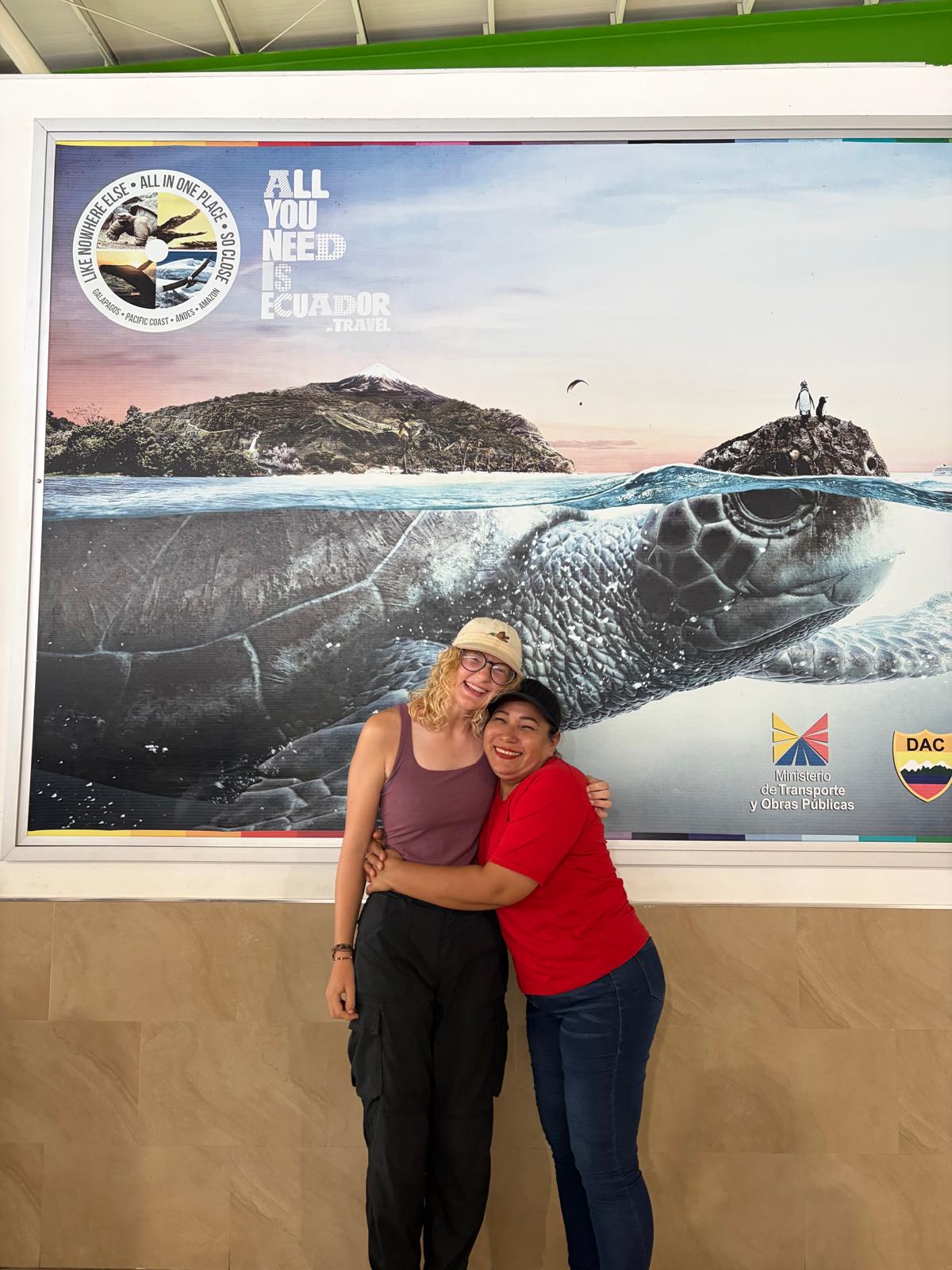
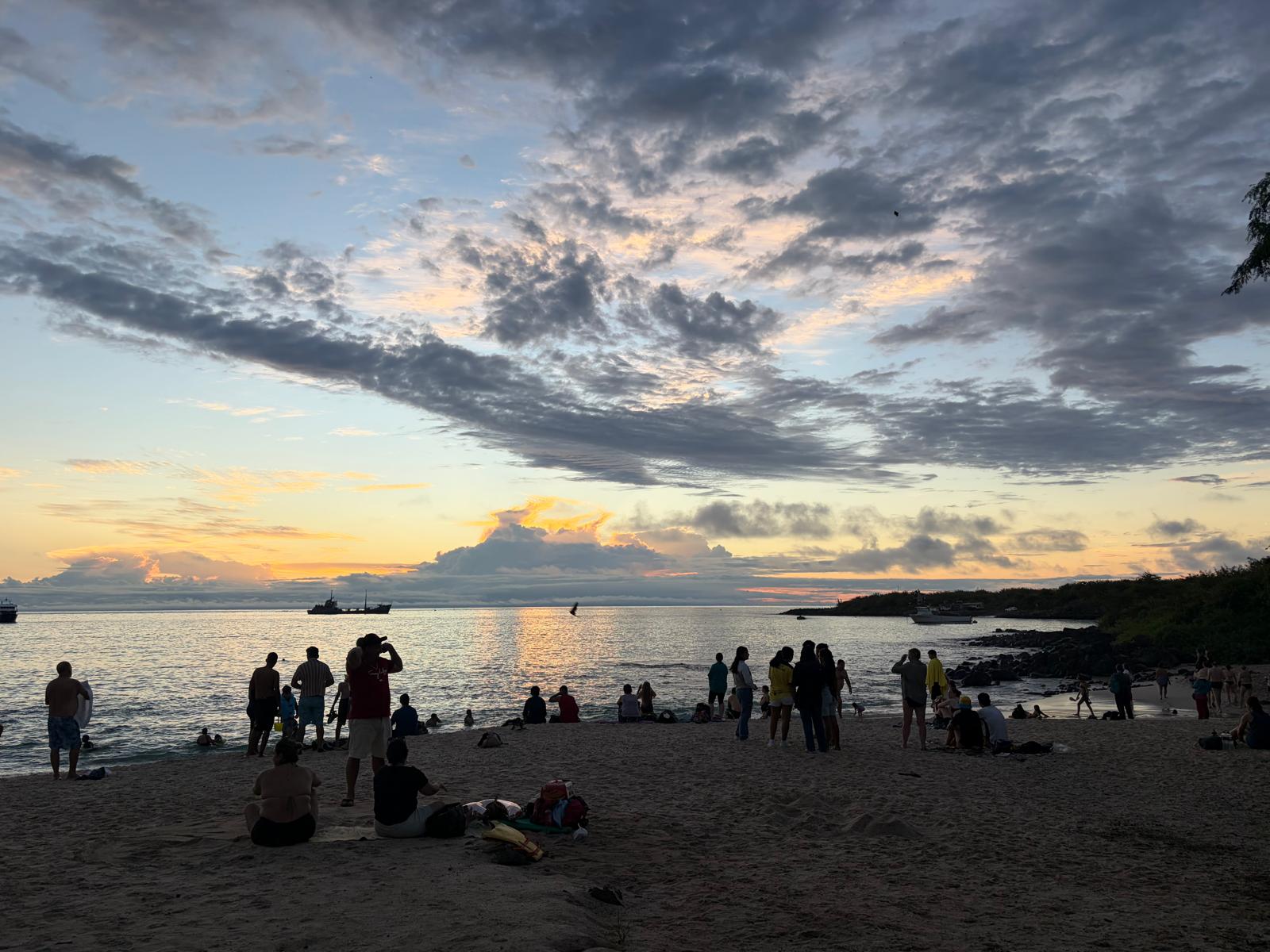
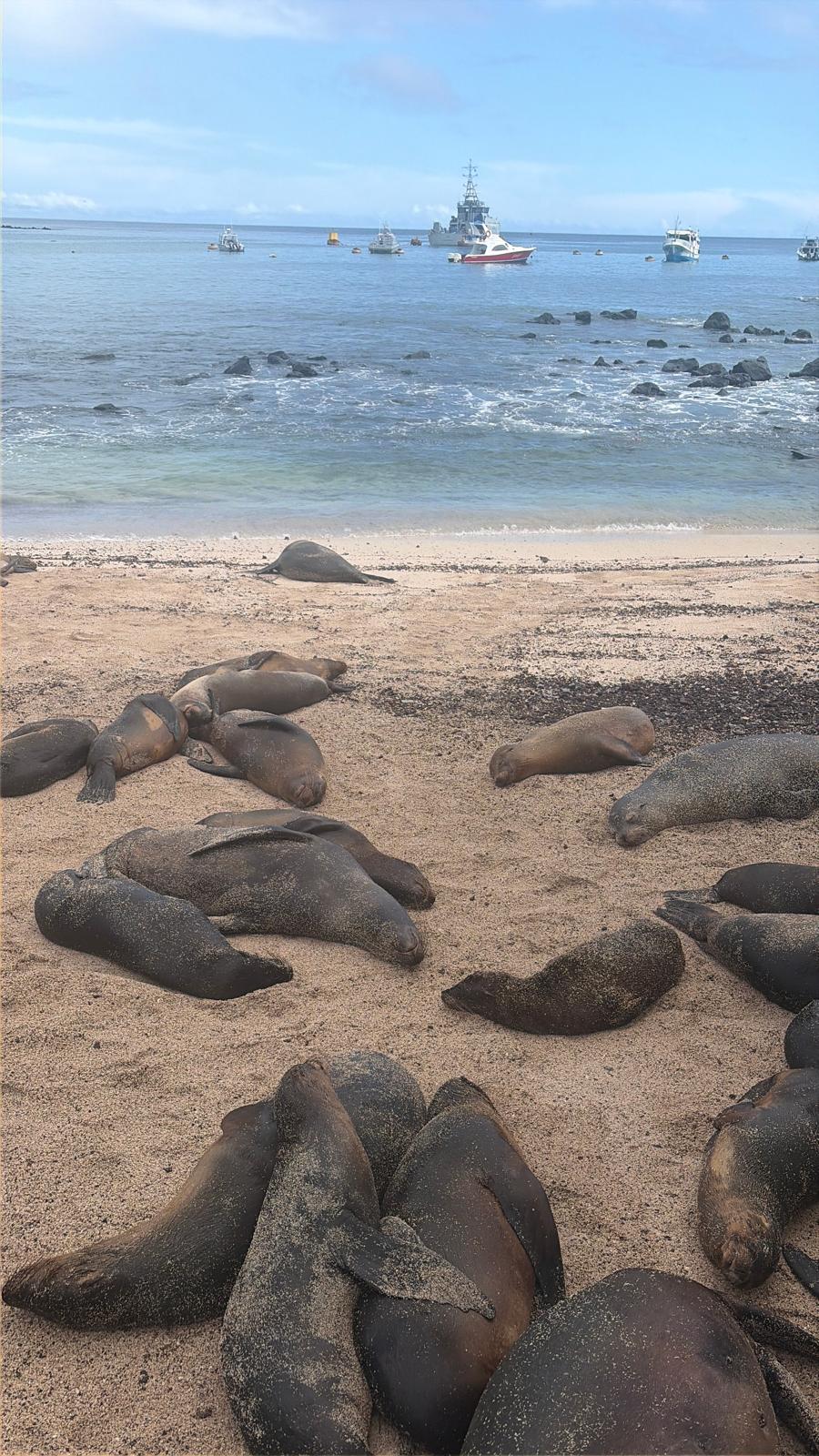
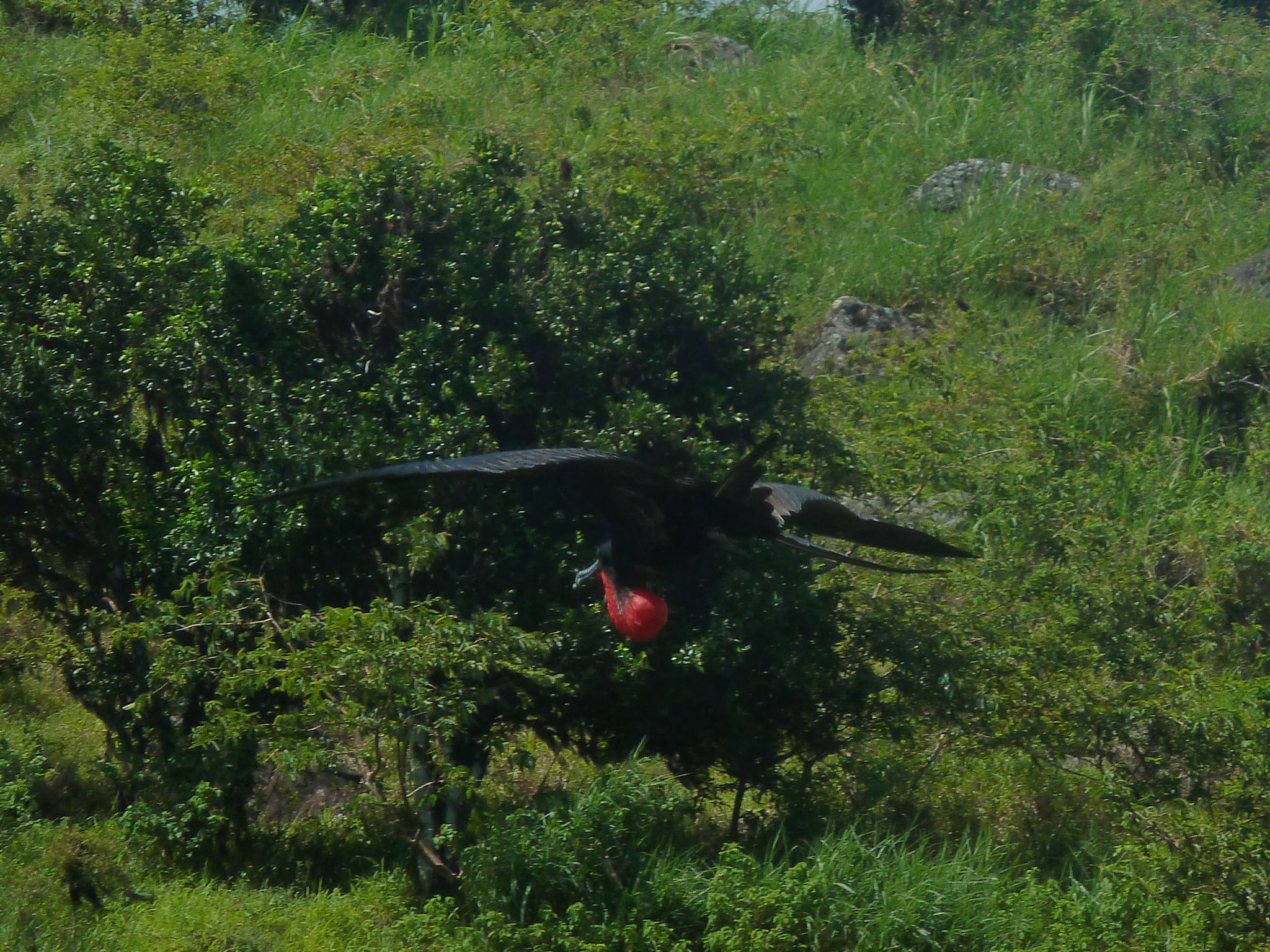
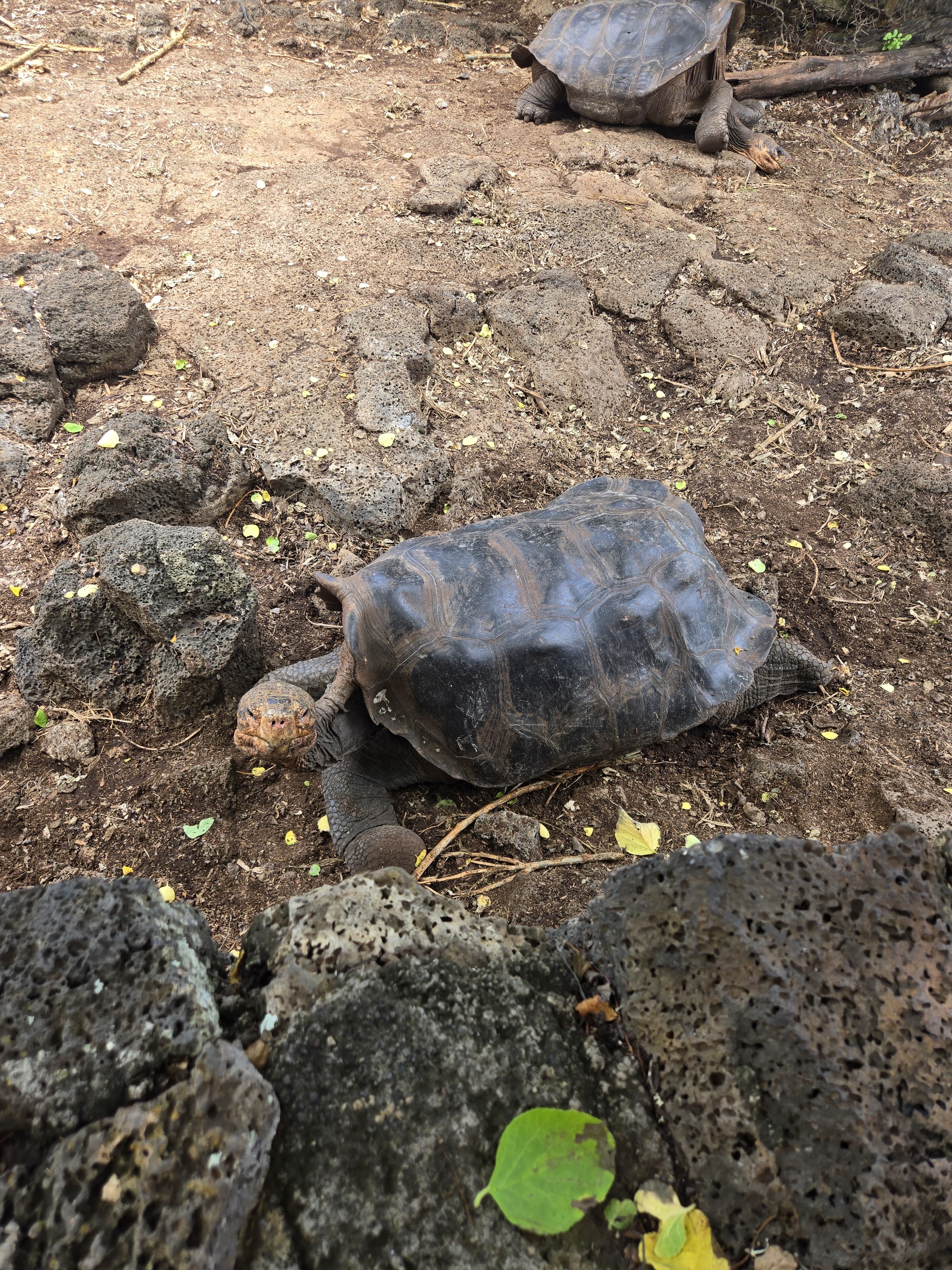
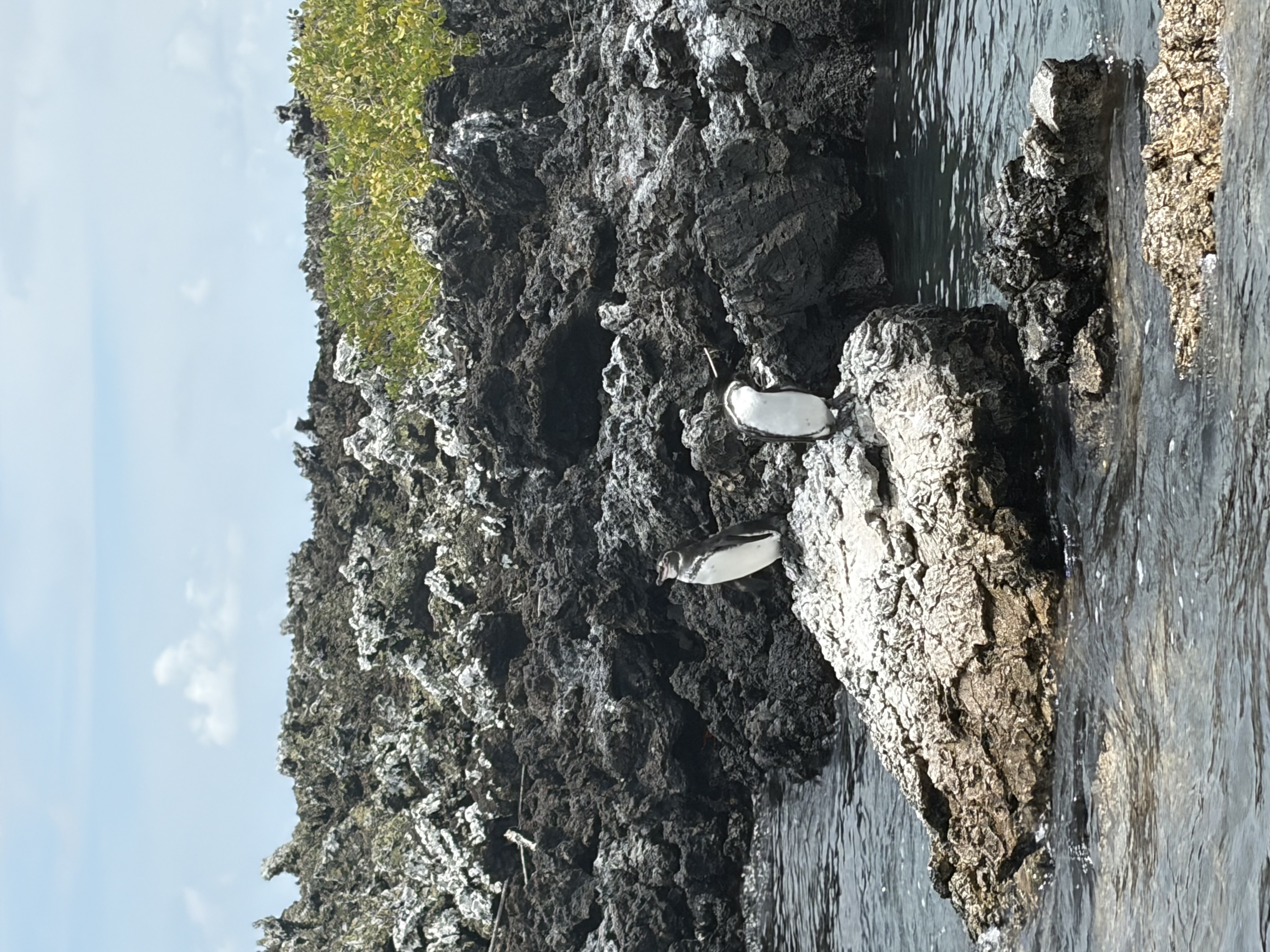
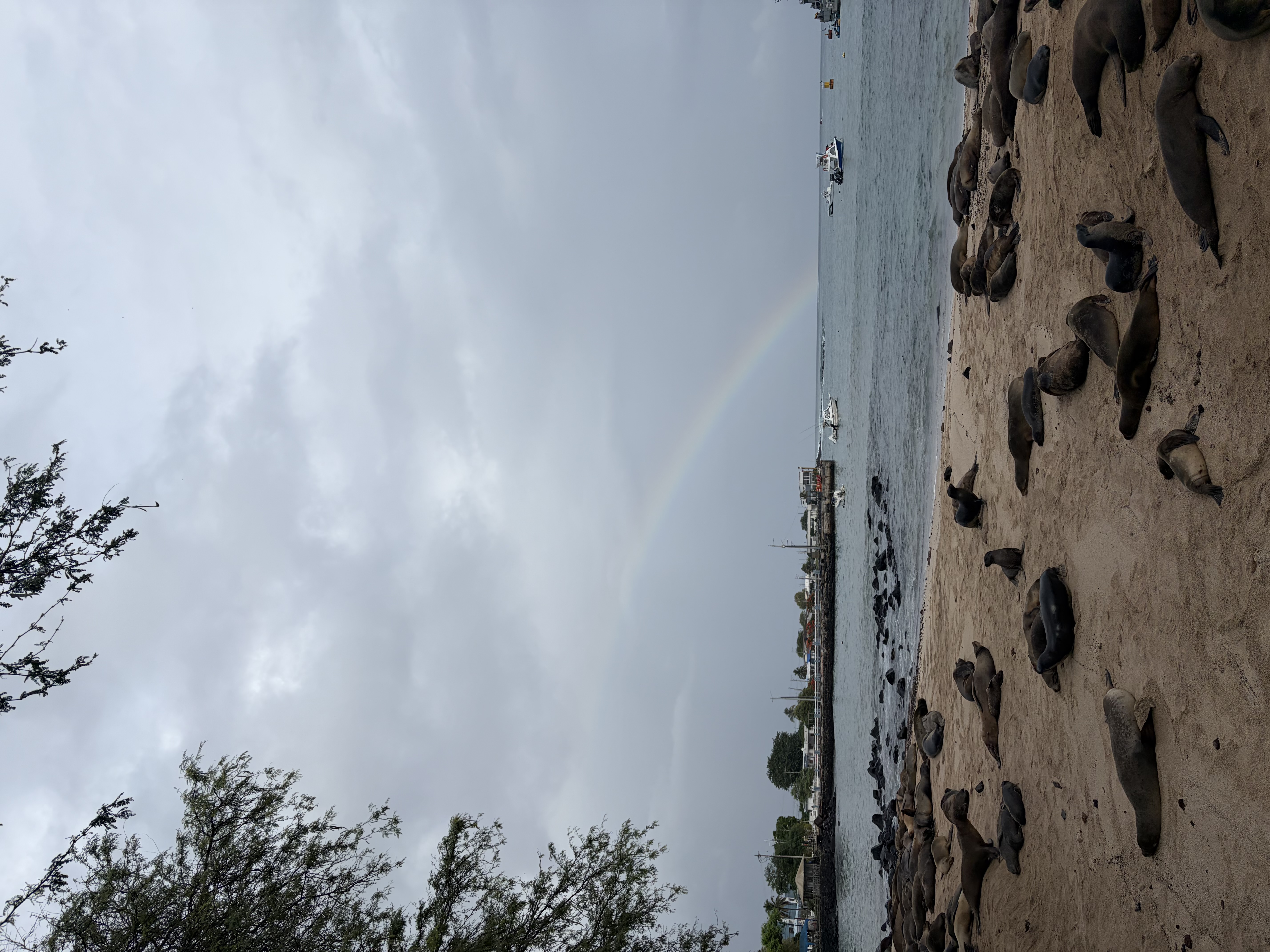
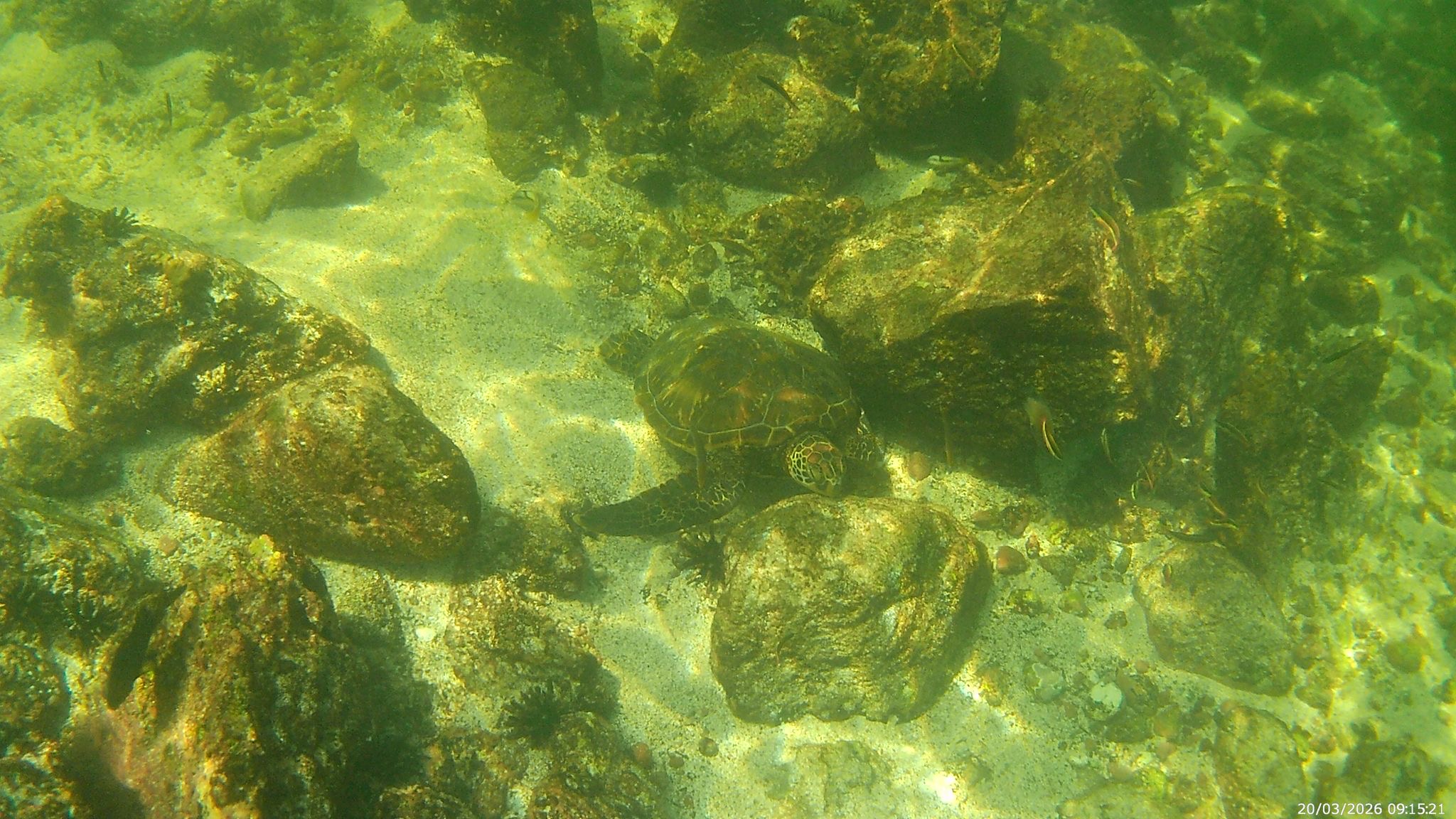
Halfway through the program already! My final few days in Quito were filled with last minute adventures and returning to old favorites. At this point in studying abroad most people probably feel like they have fallen into a routine, not for me. After an incredible seven weeks on the mainland I have packed up all of my things and boarded a plane to San Cristobal in the Galapagos where I will spend the remaining ten weeks of my program. Moving from Quito to the Galapagos has been an adjustment. It almost felt like when I first left for Quito. So many unknowns. This time, I have all of my experience and friends in the program to back me up. We arrived on the island Sunday afternoon. After a quick town tour and campus tour, which just happens to be right in front of the beach, I greet my new host family. Here, my host family doesn’t speak any English which has been a huge adjustment from my old host family where two members of the family didn’t even speak Spanish! Although it can be confusing at times, I have felt my Spanish really start to improve only after a week here. Within my first week here I already saw nearly everything on my bucket list. Blue footed boobies, sea lions which are practically my neighbors, flamingos, marine iguanas, giant tortoises, and penguins! The joy of seeing a blue footed booby or a sea lion will never get old. These are animals I’ve learned about and wanted to see from such a young age that it’s incredible that I get to see them every single day. The animals are also so abundant here and unbothered by the people around them. Most mornings, I get up early to walk by the harbor where there is always some sea lion drama, shorebirds running about, and seabirds hunting. The peacefulness of being surrounded by these creatures gives me some time to reflect. I think about the history of the islands and how much humans have affected such a beautiful place in such a short amount of time. These towns on the islands weren’t even built until the 1970s. In that time, there have been mass introductions of invasive species, over 50% of the plants on the Galapagos are non-native, extinctions, and destruction of the natural flora and fauna. But the Galapagos is unique in that it has millions of people fighting for it. Not every place does. Should our conservation efforts be solely based on the biodiversity of an area? Our first class on San Cristobal was Native Plants of the Galapagos where we talked a lot about conservation both on and outside of the Galapagos. We went on a few different field trips to farms and places of interest around the island. Including Jardín de las Opuntias. Opuntias are large trees that look like prickly pears! They evolved from prickly pears, but opuntias have a trunk with bark to keep the tortoises from eating their fruit which is a beautiful yellow flower that tastes like prickly pear! Aside from class, my days are spent going to the beach, snorkeling, bird watching, learning how to surf, and lots of ice cream to cool myself down. The adjustment from Quito to San Cristobal has been a big one. I call myself a very punctual person and I struggle with the idea of “island time” but it is part of the culture. My first three weeks in San Cristobal have felt like a dream and I can’t wait to see what the rest of my time here brings!
Blog #5
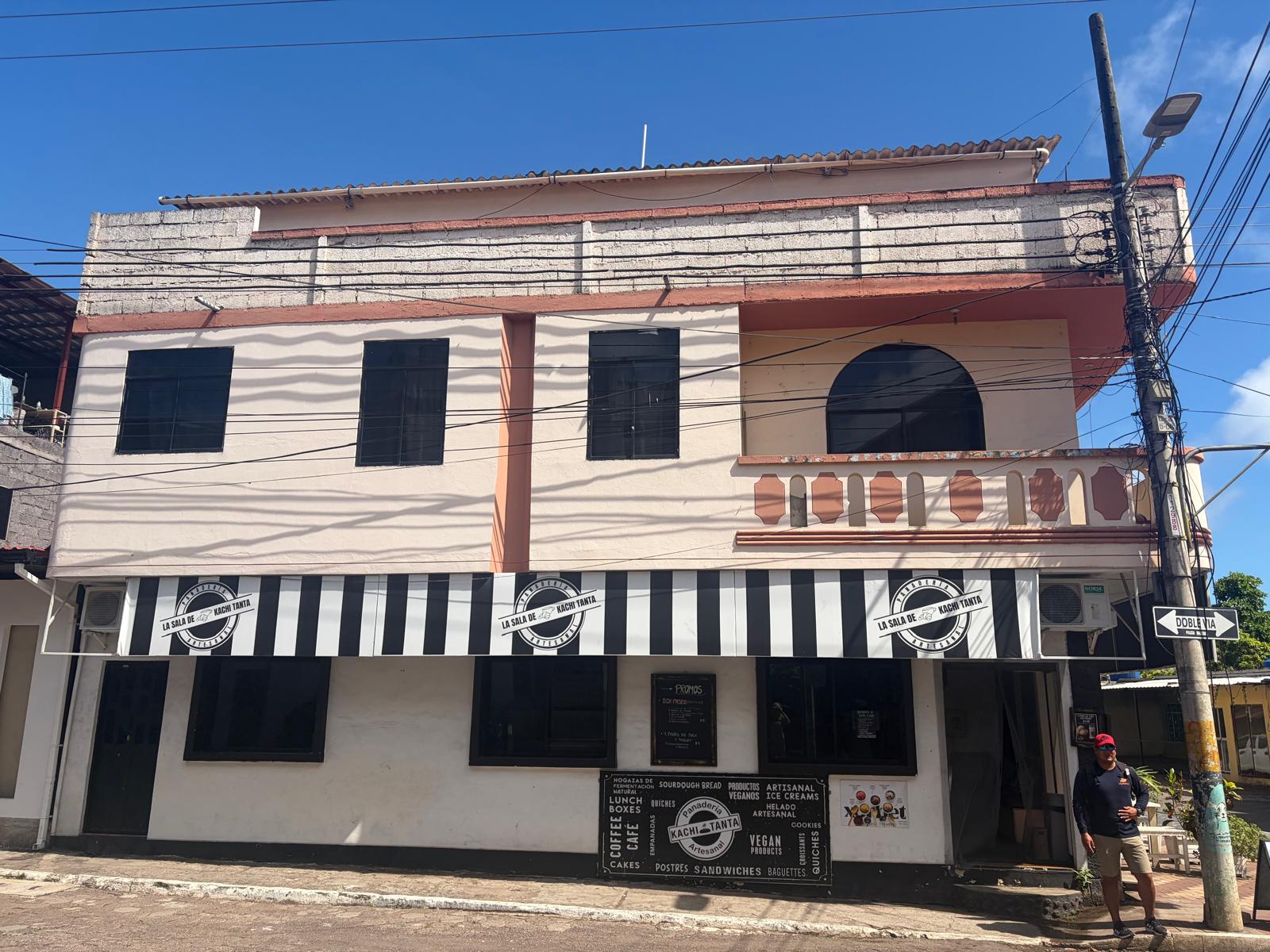
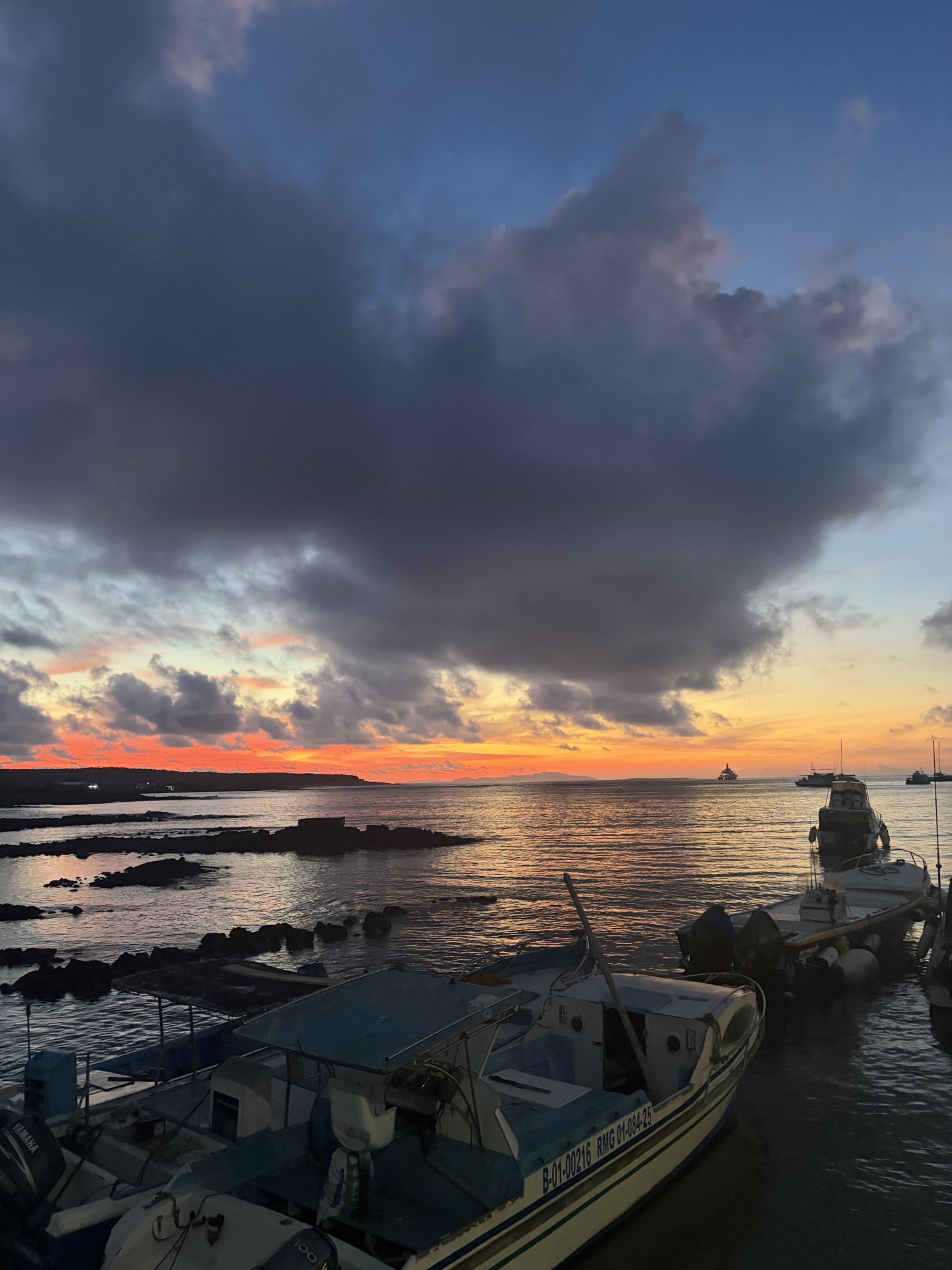
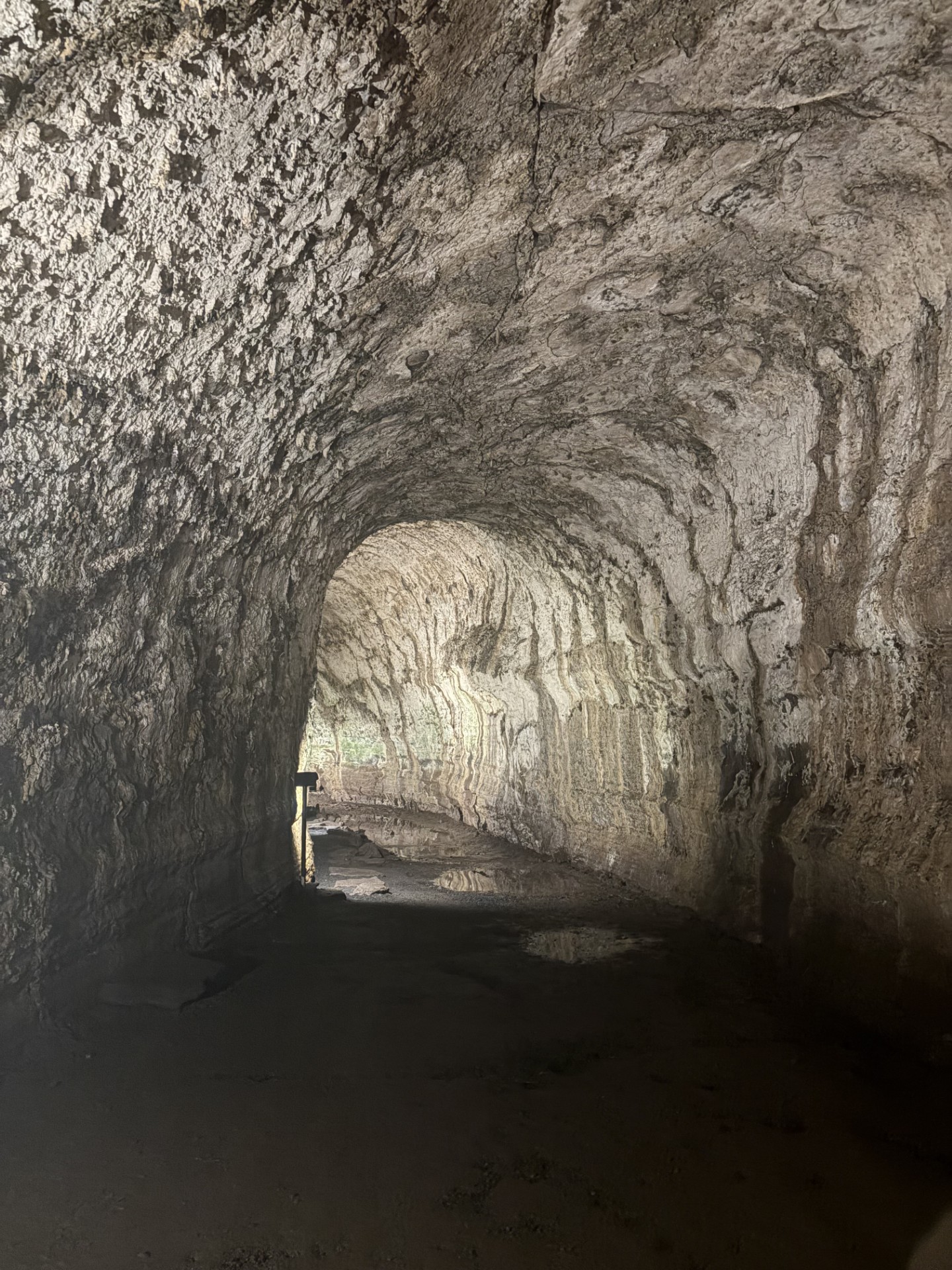
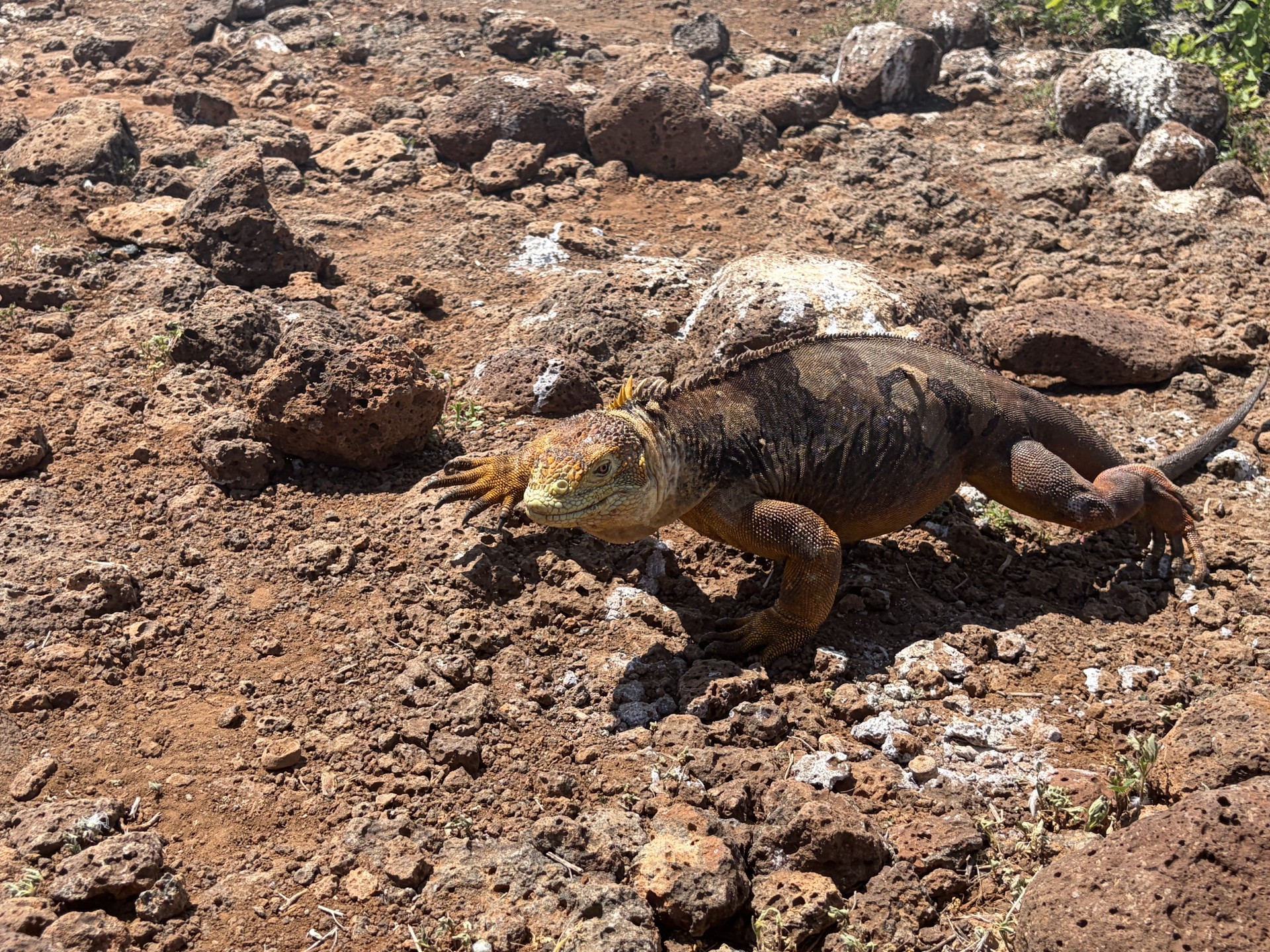
Life on San Cristobal moves slower. There isn’t the hustle and bustle of city life like back in Quito. There are not any cars or buses, there is only one traffic light, and one road in and out of the town. I’ve become known at the cafes and restaurants I frequent. I’ve gotten into a routine. Most days I spend at the University which overlooks the beach. I do homework, I read, I get lunch. The days are relaxing and my exchange has started to feel more like a vacation rather than an academic semester. We have at least one field trip a week. Most of them have been to farms in the highlands of San Cristobal. Before coming here, I didn’t realize how much farming happens on the archipelago. Coffee, cocoa, pineapple, and so much more is grown on the islands. There are even cows, chickens, and sheep that help to subsidize the amount of food that is shipped into the islands. Living here for so long, I’ve noticed how fragile the whole supply chain to get food into the island is. Just some rain can prevent planes from flying into the island and the island has to ration their food for days until a new plane can be stocked and flown out. Eggs are often a hot commodity that can be difficult to find. Our most recent field trip was to the island of Santa Cruz for four days. Here we toured around the highlands, including a tortoise ranch where the giant tortoises like to hang out. The main part of the trip was our day trip to North Seymour island right above Santa Cruz. The day started with a car ride to the north of Santa Cruz, then a boat ride to North Seymour. Here, we walked around the island where we saw the yellow land iguanas, nesting frigatebirds, and many blue-footed boobies. Afterwards, we had time to snorkel around the coast of the island. This was easily the best snorkeling I’ve had in my time here. We saw so many parrotfish, sea turtles, eagle rays, sharks, and a funky cornetfish. But my favorite part of the trip was our stop at Playa Las Bachas. We saw flamingos, which are not often seen on Santa Cruz, and even a Chilean Flamingo, which is very rare to spot on the Galapagos. Along with our day trip to North Seymour, we also walked through some lava tunnels and the Charles Darwin Research Center. Island Life
April 2026
Blog #6
Espanola
May 2026
Blog #7
Coming Home
May 2026