James Cockrell- Blog Abroad
Blog #1
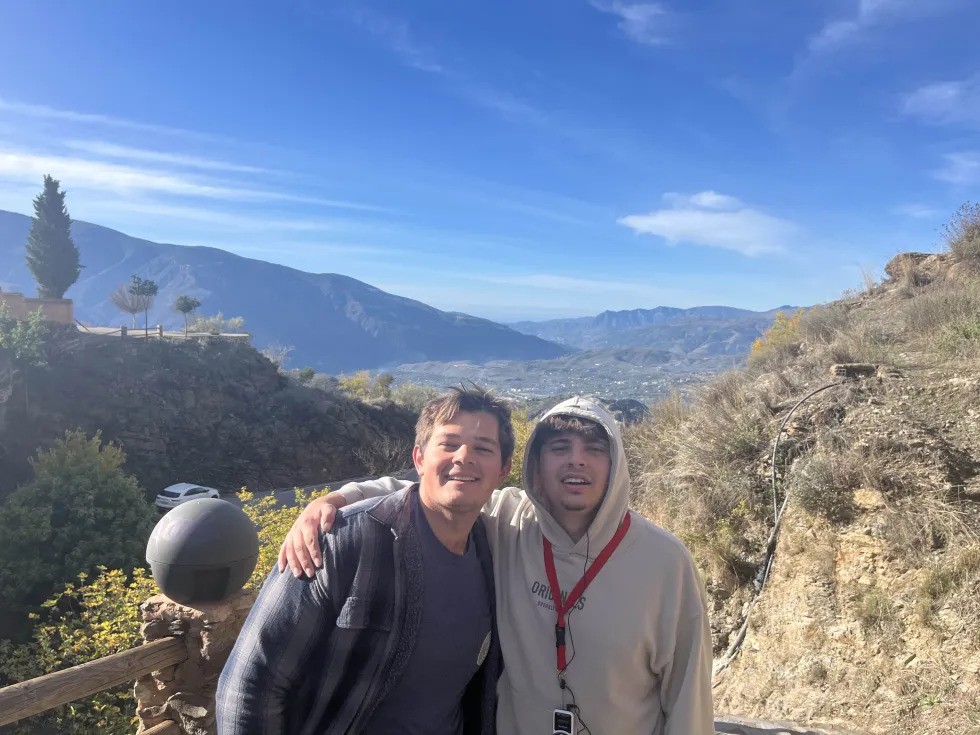
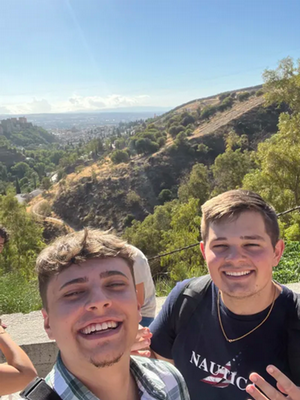
The first week in Spain was hard. We flew eight hours from Atlanta with no sleep. Madrid was hot and white under the sun. The airport was loud and full of people. The language rolled fast and smooth, but I couldn’t catch any of it. Leah and I paced around the terminal, exhausted. We were about to lose 200$ if we missed the train. The signs would contradict each other. Getting to southern Spain was agonizing. Bus after bus, Train after train. I couldn’t stop thinking of that one South Park episode where the characters die and go to hell. But in their depiction, Hell wasn’t fire or demons. It was a plane. A plane with all you can eat microwaved pasta seasoned with microplastics. Granada was the first breath. We settled in with a nice dinner. The streets were narrow and cobbled. A voice sang in the distance, with a mix of Spanish and Italian. Leah was quiet, soaking in the noise, the buildings, the sky. Everything was new for her. She’s from a small town in Northern New Mexico so the craziest thing she’s ever seen were the Colorado Mountains. Watching her see the world was its own kind of experience. We found a plaza. People sat outside with their wine and tapas. Everything seemed to be moving slow. Even the pigeons flapped in slow motion. We sat at a table that smelled of bread and wine. We waited for our first Spanish meal. The waiter took her time. Longer than any kind of service we received in America. No one checked their watches. It was like Spain never invented clocks and were never on deadline. We were used to fast hands and fast feet, the kind of service that made you feel like you owned the place. Here, we were just foreigners learning how to wait. I laughed at this realization. Normally, the rich get this kind of culture shock. Not us. Orientations began. We met other students in our program. Most came from the East Coast such as Rhode Island, Massachusetts, New York, D.C. The way East Coasters interact with each other is oddly different from the West Coast. The seriousness felt different. Leah and I were the only ones from New Mexico. There were all sorts of students from different backgrounds. Others from Japan, China, Korea, Canada, Australia, Morocco. My world expanded outside of just Spain. I made a few friends. One of them, Wesley, stood out. He’s from Atlanta, goes to Georgia Tech. He’s studying for the GMAT and wants to be a doctor. He laughs loud and talks fast. His mind never sat still. We met on a hike that our program invited us to. The climb was steep and hot but talking and getting to know the other students made it much easier. The sun wouldn’t leave us alone, even at the top. The Alhambra stood at the top of this hill, the statues lined the path. Meanings as old as seven hundred years ago. Thick walls of battlements and teeth crowned at the top displayed its power all over Granada. The walls were filled with islamic patterns. Built by the Moors. Palaces, gardens, water channels running through the courtyards. Overflowing with the sound of tourists and cameras. The professor told us the stories of Alhambra in Spanish. Describing the traditional islamic architecture and methods that soldiers would perform just to defend the walls. Well, that's at least what Wesley told me. That’s when it hit me. I couldn’t keep up. I wanted to learn about the castle, the churches, the stones under our feet, but the words were moving way too fast. The words were blurry. There weren’t any captions that could assist me. My Spanish wasn't good enough. It felt like running into a wall. That was the wake-up call. I thought I had come to Spain to explore, to soak things in. But now I saw the truth. This wasn’t just a trip. It was a challenge. One I’d have to meet head on if I genuinely wanted to grow. Granada Spain: Week One
November 2025

Blog #2
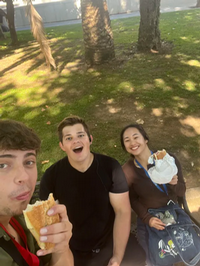
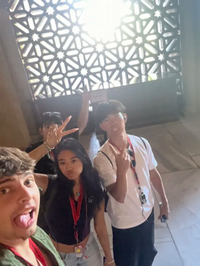
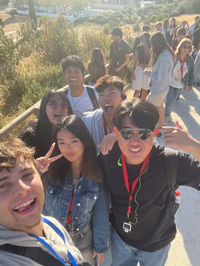
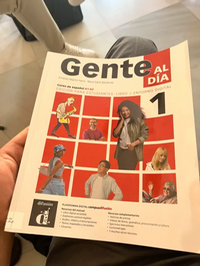
Classes start at 8:30 AM and run straight through to 12:30 PM. They were long hours. Our brains operate as fast as it can to try to understand what the professor was saying. The rooms were already warm when we sat down. The heat in Spain would not concede. The air-conditioning was desperately trying to fight it off. Electricity costs money that the school did not have so it was rationed like water in a dry country. I slept better now. My schedule was finally adapting. Less food, more walking. The Spanish made my brain stall easily. I noticed myself losing weight fast. At 12:30 I walk over to Leah’s class to pick her up. She studies her Spanish after class. I study my personal hobbies, like cybersecurity. Our friends came with us sometimes. Jhes is a good friend we met from New York, Ecuadorian and fluent. Leah has been learning a lot from her. The whole reason we had come was for language. Especially for Leah. She looked at it like a climber, finding the weak points, discovering paths to climb. My progress is smaller but there. I could produce simple conversation. Ordering food. Quizlet lessons at night under my blanket right before I went to bed. Vocabulary was my weakest. Same with grammar, but the only way to produce sentences is with stones. I pushed myself into small talks with shopkeepers. That's the easiest way to get out of my comfort zone. One man I met was named Ahmed, from Pakistan. Nine years in Spain had made him strong in Spanish and developing his own Shawarma Kebab shop. We spoke of the hard parts of learning a new language. Getting used to the dialect was a big obstacle for him as well. Another was Lukas, a quiet man from China. He worked in a small shop near our apartment. We spoke only in Spanish because that's all we shared. Every morning, he watches me walk to the same fridge. I would lift out the same liter of gluten free chocolate milk. By the end of the week he smiled before I reached the counter and told me that I was drinking all of his stock. One of the health advisors, Kat, told me my ears would adjust as time went on with classes. That the professor would sound less like waves and more like people speaking. She was right. The first few days I was able to get by. I would look around me, see what the other class students were doing, and copy what they were doing. Then by day 3, I was finally beginning to understand more and more of what was going on. I still struggled throughout the rest of the week but I was noticing some good progress. The school system was one hard pill to swallow culturally here. They post grades publicly, without shame. Your failures on display for everyone to see. They placed me in Level 2 and Leah in Level 5. At the end of the month, there will be an exam that decides whether you're able to move on or be left behind in your academic progress. It was a cold way of measuring people. It was an adjustment. It's a system that's built on just progress, not encouragement. Time began to speed up once I understood that. The days no longer felt soft. Less forgiving. The professor came late sometimes. Even the professors smelled of wine and cheese some mornings. What would be strange in America was ordinary here. It was honest, at least. It wasn’t a shameful act to most. It was simply how things were. Spain grew on me. The pace. Carelessness. The heat but decent weather during the winter. The blinds that hung outside of buildings. Simple metal shields that kept the sun from boiling the rooms inside. In New Mexico, we never thought of such a thing. We fight the heat from the wrong side of the glass. I kept comparing Spain to home. The People lived differently. Freer in some ways. More burdened in others. It made me think about America. About the freedom meant and what it didn’t. My Spanish improved, though I still missed half of what was said. Two weeks in Spain had taught me how little I knew, politically, socially and linguistically. Granada, Spain: Week 2
November 2025
Blog #3
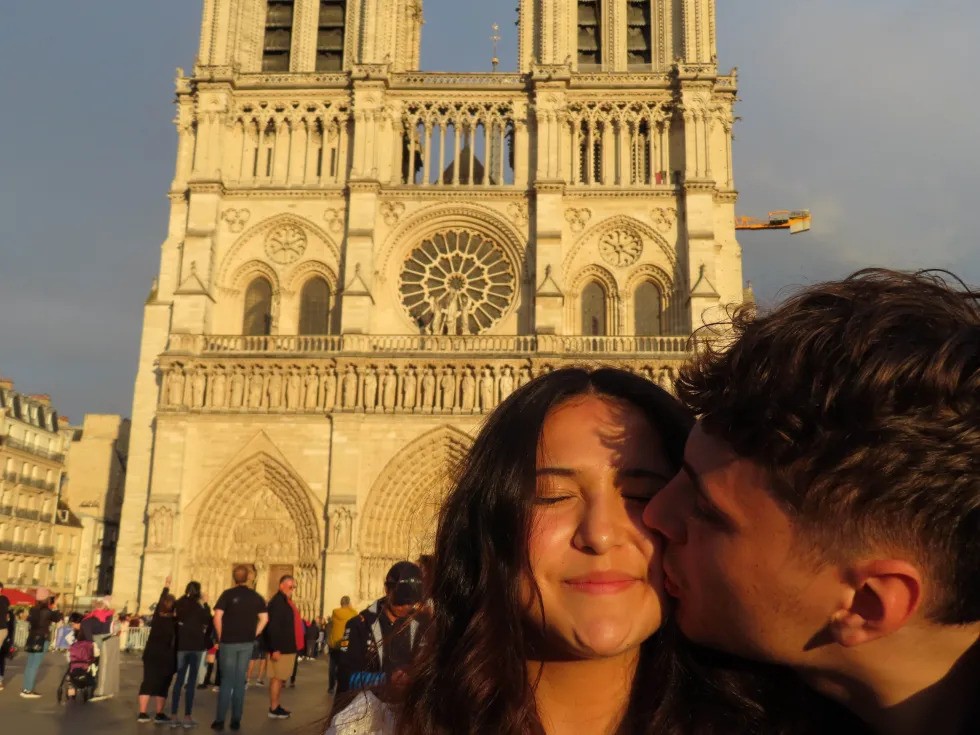
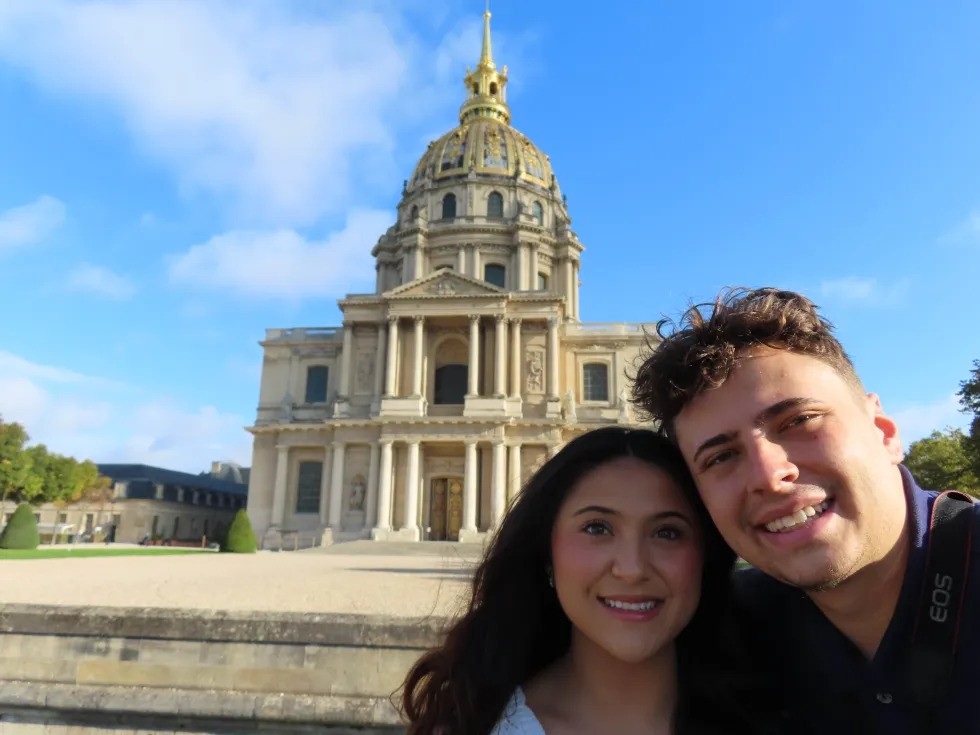
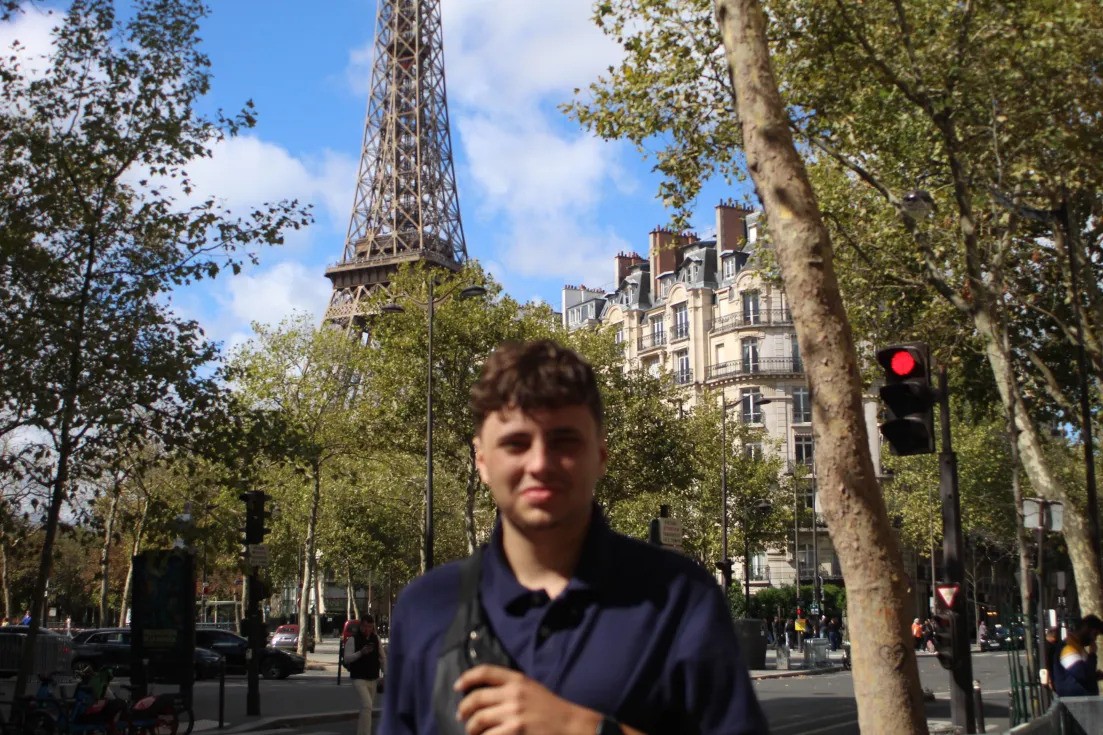
The fifth week came down a very calming road in Spain. We had begun to live and learn. The streets were starting to no longer feel like mazes. The sun felt like it was stalking us less throughout the day. We felt pretty settled at this point. We were in Europe, and we wanted to see more. We left Granada for about a week and traveled to three places: Paris, Strasbourg, and Portugal. Each city left something in us that words couldn’t fully capture. Paris was alive. You could hear it breathe in the traffic, the bells, the quiet shuffle of people crossing cobbled streets. You could feel the insane history oozing from the buildings. Even the junk food tasted different, as if it had pride. We jumped on rentable bicycles and rode through wide stone boulevards. Cars passed, but no one hurried. It was a city that knew how to move without rushing. We went to the cathedral of Notre Dame on a bright Sunday. The bells bounced and echoed off the buildings. The old stones felt tired and holy. I felt faith as the priest spoke. His words were in Italian, so I couldn’t understand them, but they were nonetheless calming. I walked up to the priest with my arms crossed to my chest, ready to receive a blessing from a Notre Dame priest. My heart raced as I walked away. I couldn’t believe I was able to attend a mass at Notre Dame. We visited Napoleon’s tomb. It was grand but lonely, wrapped in power and silence. The ceilings were high and made of gold, surrounded by royal crowns and holy art, signifying Napoleon’s might. Somewhere nearby, a man was playing the violin, and the sound carried softly. We met two Canadians on the street and walked together for an hour, talking about nothing and everything. Then we said goodbye, like travelers do, and they vanished into the evening crowd, never to be seen again. Funny how people can share so much and still leave without a trace. The French were very proud. We found them to be kind and welcoming, stylish, thoughtful. They spoke with curiosity, especially about the state our country is going through. We decided to delay our trip a bit longer to experience more of France. We took a train to Strasbourg, a town on the border, half French and half German, but proud of both. The streets were narrow, with countless rivers crossing beneath them. The houses looked carved out of old fairy tales. The air smelled of bread and rain. Leah said it felt like walking through a Disney film, only real. I agreed. Strasbourg calmed our nerves about being in Europe all by ourselves. Then Portugal. Porto, loud and filled with so many colors. The city had muscles. Old trams clanked over bridges. Skaters rolled by the river. Blind men played the accordion for spare coins. The music rose with the wind. It was rough but beautiful. We watched the sun fall behind the water and drank wine from a cheap bottle. The sea smelled of salt and dead fish. The seagulls screamed. Leah smiled anyway. It was her first time seeing the ocean. She couldn’t believe there was nothing but water beyond that horizon. I didn’t care about the smell. I watched her eyes. They were wide and glistening blue. She was from a small town in New Mexico, a quiet place between hills. This was her first real step into the world. I loved seeing her see it. Maybe that’s what love is, seeing the world the way she sees it. Quietly. Clearly. And knowing it changed you. Selflessly binding your soul to hers because it wouldn’t be the same without her. I was never more certain that I wanted to marry her.The beginning of our travels
Blog #4
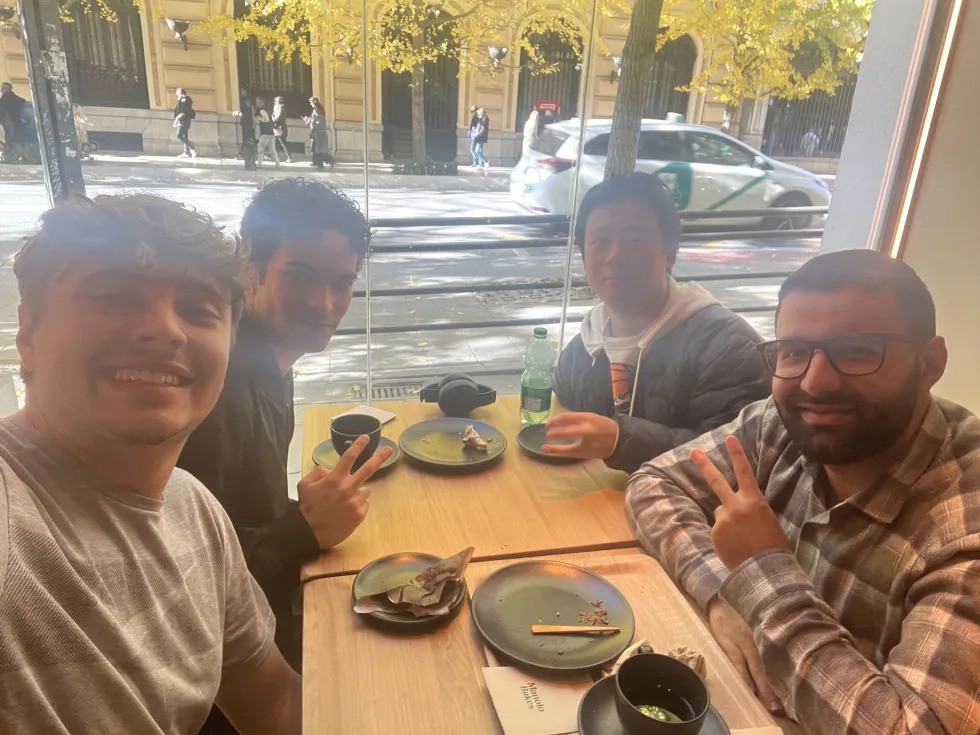
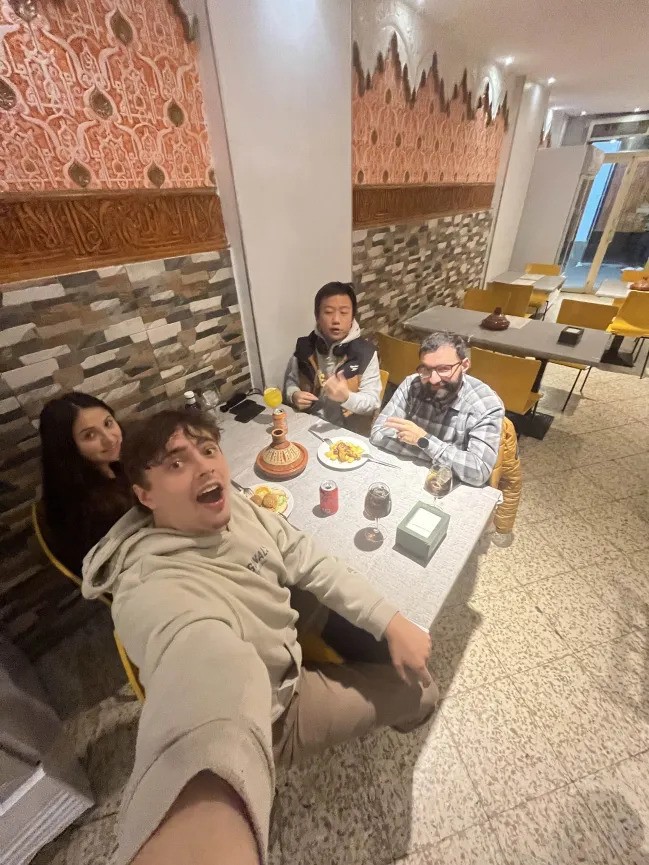
She had saved up all year for this. Wanted to see how we were living. Wanted to help where she could. My mother came to Spain! She arrived with her family friend from Jordan, who happened to be traveling through Europe and passing through Granada. They brought the warmth of home into our small apartment. We all met under the shadow of the Alhambra, the old fortress towering and looking after the city. The stones were cut a long time ago by men who prayed five times a day and carved beauty into every corner. We walked through the courtyards, around the marble paths. My mother had an exhausted smile. Somehow, we had been in this city for weeks but never explored it as we did with them. Their visit made the place feel new again. But then my mother got sick. Her time in Spain turned cold and gray. She started to miss home. Missed the comfort of her own bed, the New Mexican green chile, her animals. A familiar rhythm she knew. I hated that she had come so far only to feel that way. Of course, the illness spread to Leah and me. We were down for a week. Laid flat. Blanketed by our own sweat and fear of missing classes. I learned the shape of the ceiling. Leah slept most of the time. It felt long and slow, but I found a Spanish app on my phone. I studied between fevers. My head felt stuffed. We got better. The air eventually felt clean again. The blanket finally left my body. My days became brighter just by getting out of the house. We went to the intercambio nights, a get-together our program runs every Tuesday. The bar drowned in laughter and half-spoken languages. Everyone structured their conversations carefully because hardly any of us were fluent yet. Beers, tapas, and noise. There, I met a man who called himself a journalist. He had seen the world. He had spoken with the Taliban, been jailed in the Congo, and chased stories across Africa. He was fluent in French, Arabic, and English, now learning Spanish. You could see the experiences in his eyes. He said he wanted to understand people. He had no interest in the government. I believed him. His eyes looked tired but certain. I will never forget the things he said. “The world is larger than comfort, but smaller than time allows.” He was on his way to the West Bank next to talk to Palestinians. I will never forget him. He talked about the world like it was burning and beautiful at the same time. He preached wisdom to me that made me rethink what it means to really see the world and just how small the American bubble can be. I will never forget him. Quinn was his name. At the bar, I met some other interesting souls too. Some Spaniards wanted English. I wanted Spanish. We traded words and laughter. I learned cultural phrases that make no sense in English but make perfect sense in Spanish. I don’t remember most of them, but the laughter and conversation were still meaningful. Another lesson from this trip came from the shape of the students around me. A lot of them were Ivy League. Smart, driven, and sharper than what I was used to. Their memories were incredible. They were capable of remembering things to the most specific detail. You could tell they took lots of time outside of class to study while presenting themselves as nonchalant in class. I wasn’t like them, not at first. I never realized how terrible my memory was until I hung around them. I’m suddenly much more aware of what I lack. They made me realize what I’d never learned to do, but honestly is one of the most important things for humans. Our perception of time is built from our memories. “How many of my memories are so insignificant that my brain just skips?” A pretty good question I’ve created for myself while being here. Humans have always desired to live a long life, but what good comes from that if our brains only process 20 percent of that?The plague all over again!
Blog #5
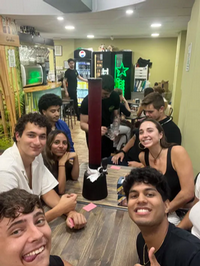
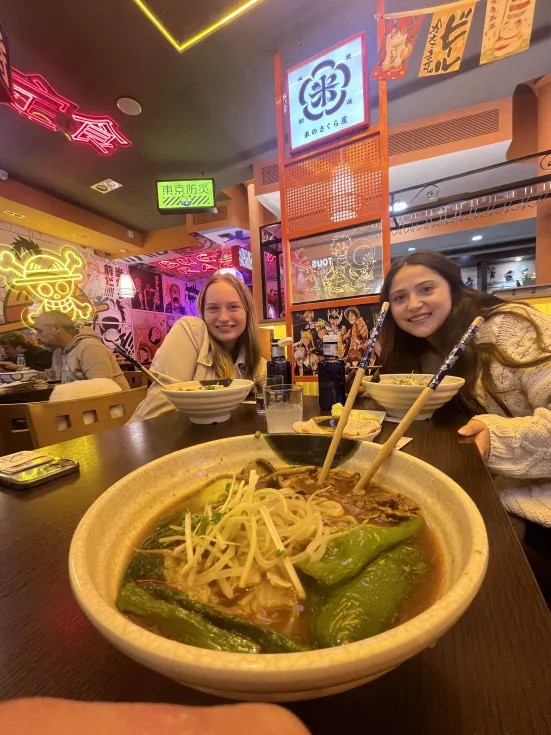
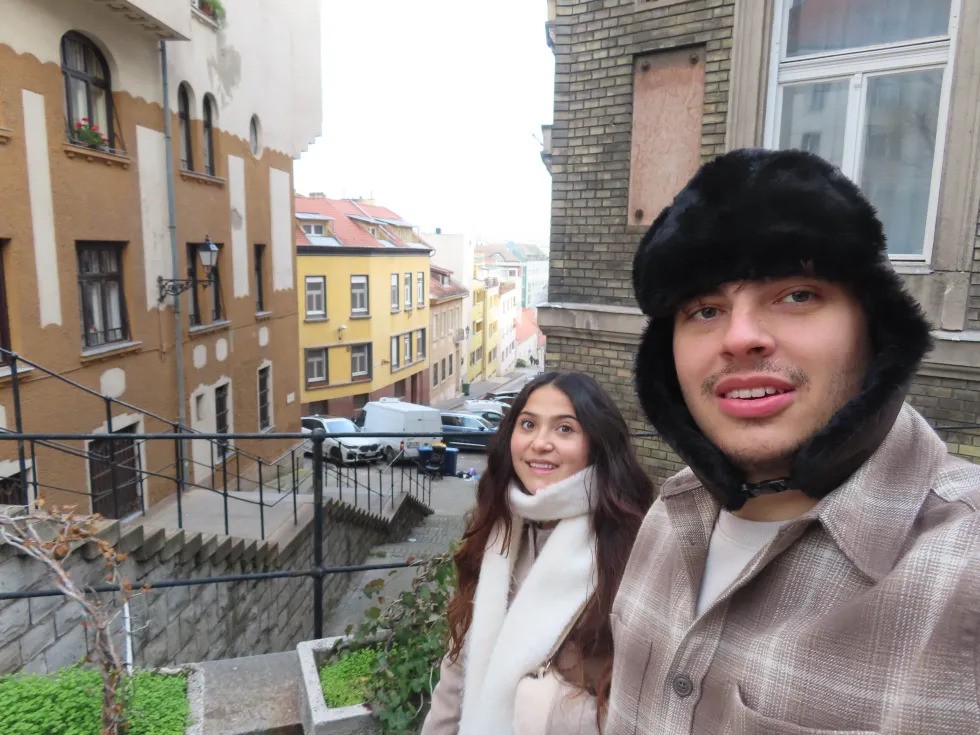
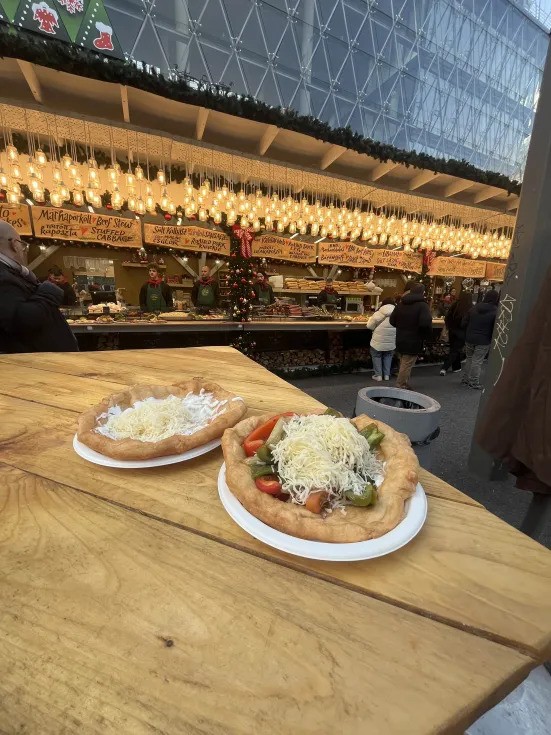
It’s been more than a month and a half. At this point, these people we met feel less like classmates and more like family. We’ve studied together, laughed together, and even passed out on the same couch after long nights. We’ve woken up before to board hot buses, dragging ourselves to new cities while the sky was still opening its eyes. Malaga, Cordoba, Sevilla, Nerja. The south of Spain left its mark. The cathedrals, their plazas, and the hills of olive trees. The program made us get up bright and early and go to bed late. Nerja might’ve been the most memorable and beautiful. A cliffside town where white buildings reflect the sun and cling to the stone streets like barnacles. The beach was crowded with the voices of dozens of different languages. I swam in the Mediterranean while the fish nibbled on my ankles and fingers. I collected shells while swallowing salt water. The sting in my eyes stayed for hours, but I still smiled. The discomfort made the moments in my head clearer. The truth no one tells you. The hard parts. The burning of my skin, the missed rains, the bad hotels. Those moments are the ones that stay with you. They make the good moments stand taller, louder. What an incredible lesson. Without the struggle, it doesn't cling to our memories as well. Budapest was a great example of this. It was viciously cold. Colder than I’d felt in years. I could see my breath blow out of my mouth like a steam engine. We’d accidentally booked a hotel two hours outside the city. No way to cancel. The train ride ate our time. The air tore apart our jackets. I couldn’t go outside without wearing two pairs of underwear, two pairs of pants, and four pairs of shirts. I bought gloves and a hat for 80 bucks without realizing it. Apparently, Hungary isn’t super fond of the euro. It was all in HUF. I did the math too late and cried. The people were cold too. Not unkind, just private. Quiet. Their world felt older. We tried to take photos of the architecture and the streets, and those who passed covered their faces. It was clear. This wasn’t Spain. This wasn’t New Mexico. It was most certainly not home. Still, Budapest had power. The parliament building stood like a carved stone giant on the riverbank. The bridges stretched in different styles from different time periods. The streets were wide, lined with shops. Some were completely vacant. We found strange food I’d never heard of. Lángos were incredible. Fried dough like a sopapilla, but slathered in sour cream and cheese. A combo I could never have imagined. I’m sure many New Mexicans would agree. They were shaped like pizza but tasted sweet. Then came the kürtőskalács, chimney cakes spun with cinnamon and sugar. I didn’t know a place this cold could make something so warm. When we ordered, a fresh new batch would come straight off the red rocks, curled into cozy packaging, and handed right over to us. “Chimney cake” was a very fitting name. Steam rose from the inside of the cake as if the dough was still cooking. Eventually, we found a better hotel, closer to the city. It was old, tall, and terrifying. Eight stories high, with a hollow square in the middle that dropped down to the lobby like a pit. The railing on our floor swayed when you leaned on it. And of course, there was a sign that told us not to. I hugged the wall every time we walked to the room. I’ve never loved the ground level so much. We were warned about the laws. Especially within politics. People didn’t talk about the government. I didn’t want to. Didn’t trust strangers. It wasn’t a problem for us, but for whatever reason, the heavy feeling still weighed on us. The infrastructure didn’t seem to be super well managed. The laws governing how businesses displayed their prices were obviously malicious toward the customers. It wasn’t a country for soft hands, that’s for sure.The hard parts make the memories
Blog #6
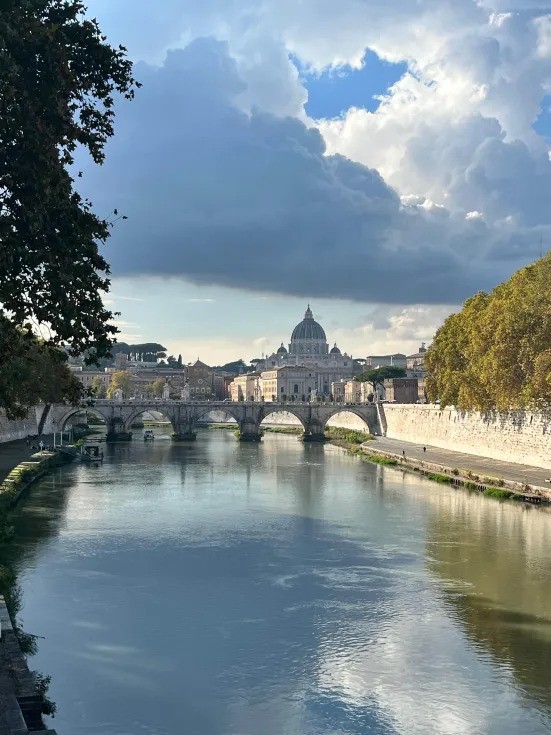
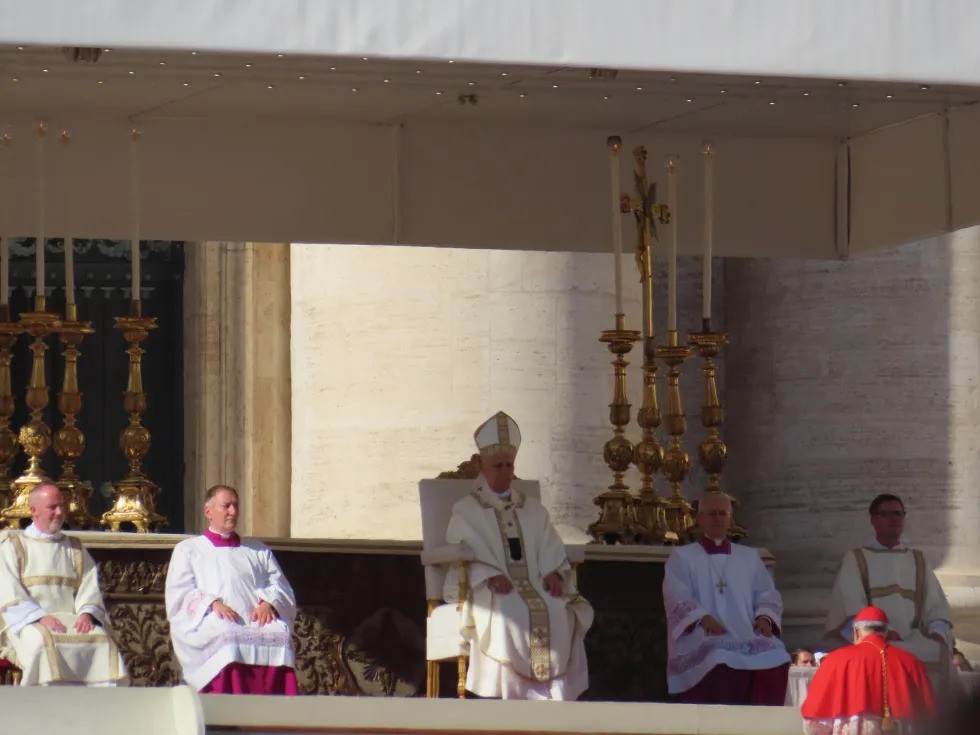
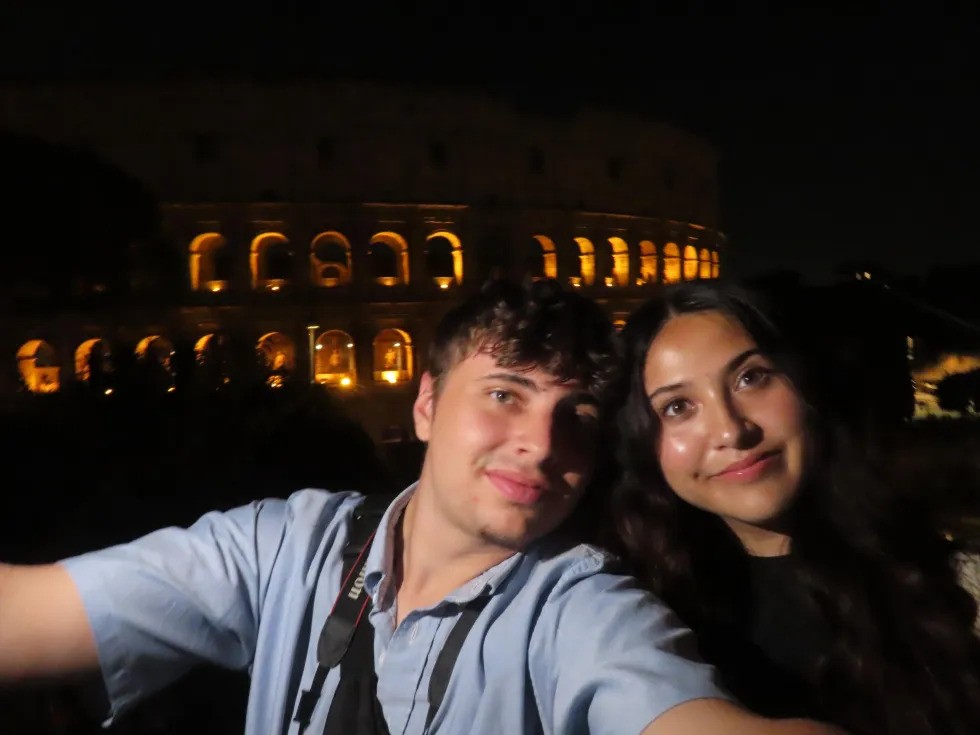
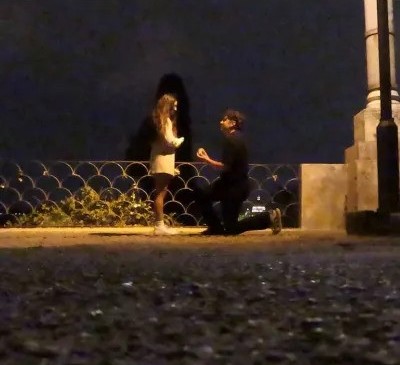
This month changed everything. We’re about two-thirds through the program at this point. The academic curriculum has been the hardest part. The system here is a bit rigid. One exam decides nearly everything. They say homework and participation matter, but they don’t. Eighty percent of our grades come from the exam. Fail it, and you repeat the level. Same classes. Same month. Same concepts. If you don’t pass the one-month-long class, your credits won’t transfer, and you can lose a scholarship. I pushed back. I explained why it was flawed. How one exam is a poor representation of our knowledge. How learning needs more than one data point. More sampling minimizes error. They laughed it off. The Spanish can be incredibly stubborn. I didn’t fail, but I didn’t score high enough for their liking. They wanted me to repeat the level. I refused. I wasn’t here to waste time. I could review what I needed in a week. I wasn’t going to go backward for a three-month program. That would have been a waste, especially if I could review the things that I missed and grasp the concepts with at least another week’s worth of practice. Eventually, they let me move on. It took arguing. It was exhausting. But I won. Right after that, we left for Rome. I was tired, mentally and physically. The rain met us there. The Uber took an hour. We didn’t know Italian, but we wanted to talk anyway. We used a translation app and had a real conversation with the driver. He lived outside the city. He had children. He loved Rome. Big foodie too. He said there was nowhere else worth going, calling Rome the most beautiful city in the world. It was dark out, so I couldn’t judge that statement just yet. That night, we ate pizza near our hotel. It was raining. The pizza was perfect. The sound of the rain was calming. The air was soft. Rome settled us. The next few days were full. The Colosseum, of course. The Pantheon. The Trevi Fountain. History everywhere. Too much, almost. Pizzerias on every corner. It got tiring, but I didn’t mind. Rome gives generously. One morning, we went to the Vatican. It was the Jubilee year. The Holy Doors were open. We didn’t expect much beyond the visit. By accident, we ran into something completely unexpected. It was outside. The crowd was enormous, at least eighty thousand people. People from everywhere. Flags waving. Bibles open. Binoculars. I didn’t understand the language, but I understood the moment. Apparently, the day was All Saints’ Day. I had no idea. Chairs were set up everywhere. Swiss Guards were lined up. The Vatican was preparing for a Mass. A man sat next to us. He was a brilliant man from Nigeria. He spoke five languages. His name was Abdullahi. He explained parts of the Mass to me since he was familiar with Italian. He told me about the history of the Swiss Guard. He was calm, kind, and deeply faithful. The man in a white robe suddenly walked out. He wore a tall white hat and held a large staff. My eyes were shocked. I had a feeling, but for some reason still had my doubts. The Pope spoke into the microphone, his voice carrying across the city. Birds flew overhead. The crowd went silent. Completely still. I felt the weight of Rome at that moment. The history. The belief. The power of people gathered for something bigger than themselves. After the Mass, the Pope passed by in his vehicle. Ten feet away. People cried. Fell to their knees. Reached out. The crowd shouted over and over again, “PAPA!” I couldn’t believe where I was. This day was extraordinary for both Leah and me. I knew it was the best moment. I bought a ring while Leah was taking a shower. I’d known for years. Over three, to be exact. I didn’t hesitate, and I knew it had to be today. We walked through a park later. Stone pines everywhere. Wide fields like something out of a storybook. The ponds were filled with tiny rowboats. Swans. Harps. Statues of emperors and bishops stare out over the paths. From one spot, you could see the Vatican glowing in the distance. That was the place.2/3rds
Blog #7
The end came slow. Granada had never been quieter. The streets thinned. Our friends began to scatter across Europe, chasing one last trip before going home. Weekends felt emptier. The apartments were quieter. My Spanish had grown strong. Stronger than I thought it would. I started this trip nervous and unsure. Of course, I knew everything would be fine, but never did I think it would be this impactful. Now I can hold conversations, order food, and ask for directions. I could even understand some jokes. I never thought I’d be able to enjoy learning a language this much. But I did. We were nearing the end. The exams came. The semester ended. The sky turned gray, like Hungary gray. Days passed like pages in a book you didn’t want to finish. Even writing this makes me want to cry. The goodbyes were starting too early. Some friends were leaving before others. Wesley from Atlanta. Amalia and Jhes from New York. Kayden from Massachusetts. Dylan from Chicago. I won’t forget them. I know that. Even if life takes us separate ways, they marked this time with me. Deeply. Some I’ll probably never see again. That’s the deadly truth of programs like this. And it hurts… There were shopkeepers I saw almost every day. Neighbors. Faces I passed on walks. A life I built for myself here, brief but real. And now it all fades. A soft vanish that was so brief in my long life. My Ivy League friends were hurting too. Some were from Brown University. A tragedy struck their campus back home. A mass gunman walked onto campus, killed two, and injured nine. I could see it in their eyes. The weight and helplessness they must feel. It hit them hard. Not only was their life-changing experience coming to an end, but a mystery of emotions was waiting for them back at home. I stood beside them, not fully understanding their pain but feeling my own version of it. This ache of leaving and love lost from a distance. I walked through the streets thinking about home. I missed the food. My family. The comfort. But I was also afraid of going back. Politics. The headlines. The cars and parking lots everywhere. The noise. Everything back at home felt loud and stressful. Europe gave me something softer. Something slower. I could see myself building a life here. A family. A future. But not now. Not yet. So I decided to buy a pen. A permanent, hard-to-wash-off pen. There’s a wall near our apartment, full of writing from travelers before us. I found a clean spot and left my mark. Just a sentence. A memory. Something I could come back to years from now. Ten. Twenty. Fifty. Something that would still be there when the rest had faded. This trip changed me. In more ways than I can say. And to think it almost didn’t happen because I was too uncertain. This was the risk I’ll never regret.and just like that...